That musty, “old basement” smell in your laundry room, or the strange yellow stain blooming on your ceiling after a storm – sound familiar? Your home is trying to tell you something, and it’s not just sharing the weather. It’s often asking for help with protecting your home from water damage.
So, how to tell if your home needs waterproofing before a small drip turns into a wallet draining disaster? It’s a question many homeowners ask when they spot a worrying sign, and that’s exactly what we’re here to unpack together.
By the end of this guide, you’ll know exactly what those five warning signs mean, how they connect, and what to do next. Catching them early is the smartest move you can make for your home’s health and your peace of mind. Let’s get started with the first, and often the smelliest, clue.
5 Warning Signs Your Home Needs Waterproofing
Sign 1: Musty Odours or Mold Growth
Remember that musty smell we talked about? It’s like your house decided to smell like a forgotten pile of wet leaves. You might scrub the floors and open every window, but that damp, earthy odor just won’t take a hint.
Here’s the thing most people get wrong: That smell and that mold are not the problem you need to solve. They’re the flashing neon sign pointing to the real issue. The real problem is silent, hidden moisture where it absolutely should not be. Your home isn’t just being smelly; it’s showing you one of the clearest signs of water damage it can.
So, if you’re asking yourself, “How do I get rid of this damp smell in my house for good?”, you’re asking the right question. The answer isn’t more air freshener. It’s about stopping the water at its source. Here’s what that actually looks like:
- Stop Covering It Up: First, ditch the heavy duty sprays and scented plugins. They’re just putting a blanket over a leaky pipe. You need to find the source of the dampness, not mask the symptom.
- Play Moisture Detective: Follow your nose and your eyes. Is the smell strongest near the basement floor? Is the mold growing in a perfect line along a wall? This often leads you straight to the source of the leak.
- Call in the Experts for an Inspection: This is where home basement waterproofing professionals come in. They can tell you if that dampness is a simple fix or a sign of a bigger foundation issue.
Sign 2: Cracks in Walls, Floors, or Foundation
Okay, let’s move from smells to sights. Have you ever noticed a new, skinny crack in your basement wall that looks like a tiny fork of lightning? Or maybe a gap has appeared where the wall meets the ceiling upstairs, and you’re sure it wasn’t there last month.
These cracks aren’t just your house settling. They’re its way of showing the stress from the exact moisture problem we just talked about. Think of it like constant dampness that weakens materials, and pressure from wet soil outside that can actually push against your foundation walls.
If you’re looking at a crack and wondering, “Are these signs of a leaking foundation?”, you’re asking the smart question. It very well could be. But the crack itself is just a sign. The real problem is often the water pooling outside.
So, what causes water buildup around foundations in the first place? Usually, it’s simple stuff you can actually spot:
- Clogged or broken gutters dumping water right next to your house.
- Soil around your foundation that slopes toward your home instead of away from it.
- Missing or crushed drain pipes buried in your yard.
What should you do? Don’t just fill the crack with sealant and hope for the best. That’s like putting a bandage on a broken bone. You need to solve the water problem outside. Often, this means getting help with waterproofing & drainage services to push that water away from your home’s base. Stop the water outside, and you stop the damage inside.
Sign 3: Water Pooling or Damp Basement
Now, let’s talk about the most obvious sign of all, which is the actual water where it shouldn’t be. We’ve talked about the smell of hidden moisture and the cracks it causes, but what about when the water decides to show itself?
Maybe you’ve found a small, stubborn puddle in the corner of your basement after a heavy rain that just won’t dry up. Or perhaps you feel a cold, damp spot on your carpet in a room that’s nowhere near a bathroom. That general clammy feeling in your basement isn’t just in your head, it’s in the air and the walls.
If you’re seeing this and thinking, “What are signs of poor basement drainage?”, you’ve hit the nail on the head. When the drainage fails, water takes the path of least resistance; right into your home.
This is where many homeowners ask a great question: “Can drainage systems prevent flooding?” The answer is a resounding yes. A proper system isn’t just about handling a biblical downpour; it’s about quietly guiding everyday groundwater and rain runoff away from your foundation, so it never gets a chance to invite itself inside.
Here’s what to look for and do:
- Track the Water: Is the damp spot right under a window well? Near the base of a wall? Mapping it helps pinpoint the entry point.
- Check the Obvious: Are your gutters overflowing? Is the ground outside a swamp? Often, the fix starts outdoors.
- Think Beyond the Mop: Soaking up a puddle is a temporary fix. The permanent solution involves evaluating and often upgrading your waterproofing your home system, which includes both sealing barriers and effective drainage.
Sign 4: Peeling Paint, Bubbling Walls, or Discoloration
Let’s move upstairs. That weird brownish-yellow stain on your ceiling that looks like a map of an unknown island? Or the paint on your wall that’s bubbling up like it’s trying to escape? This isn’t a decor trend. It’s what happens when the moisture from the problems downstairs (or in your walls) decides to travel.
Think of your drywall and paint like your skin. When water gets behind it, there’s nowhere for it to go. The paint loses its grip, the drywall soaks it up and swells, and you’re left with a visible “oops” that no amount of touch-up paint will fix permanently.
This sign is a clear message: water is moving through your home’s structure. It could be from a leaky roof, sure, but often it’s related to the same foundation and waterproofing your home issues we’ve been discussing.
If you see this, you’re likely past the point of simple DIY fixes. It’s a direct signal that your home’s protective barriers have been breached. So, what is the best way to waterproof a home to stop this? It’s not a single product. It’s a system:
- Address the Source: Find where the water is coming in, which often leads you back to foundation or drainage issues.
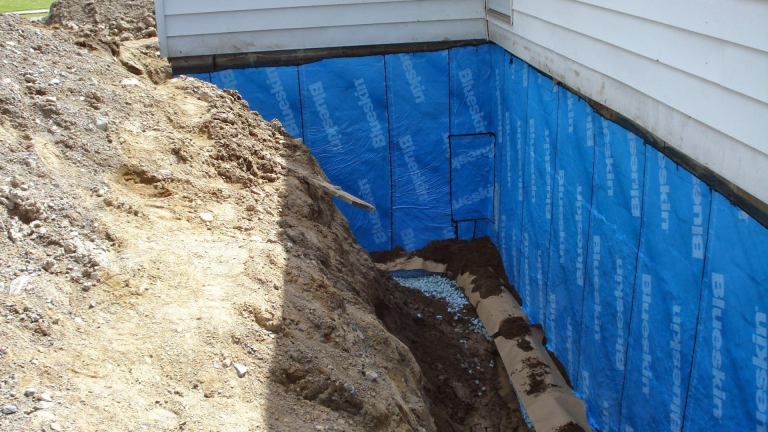
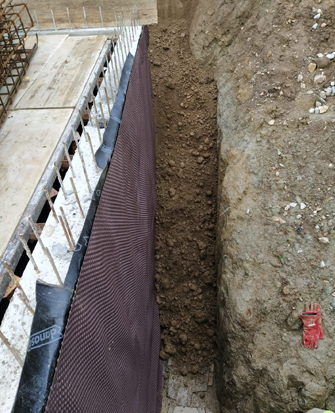
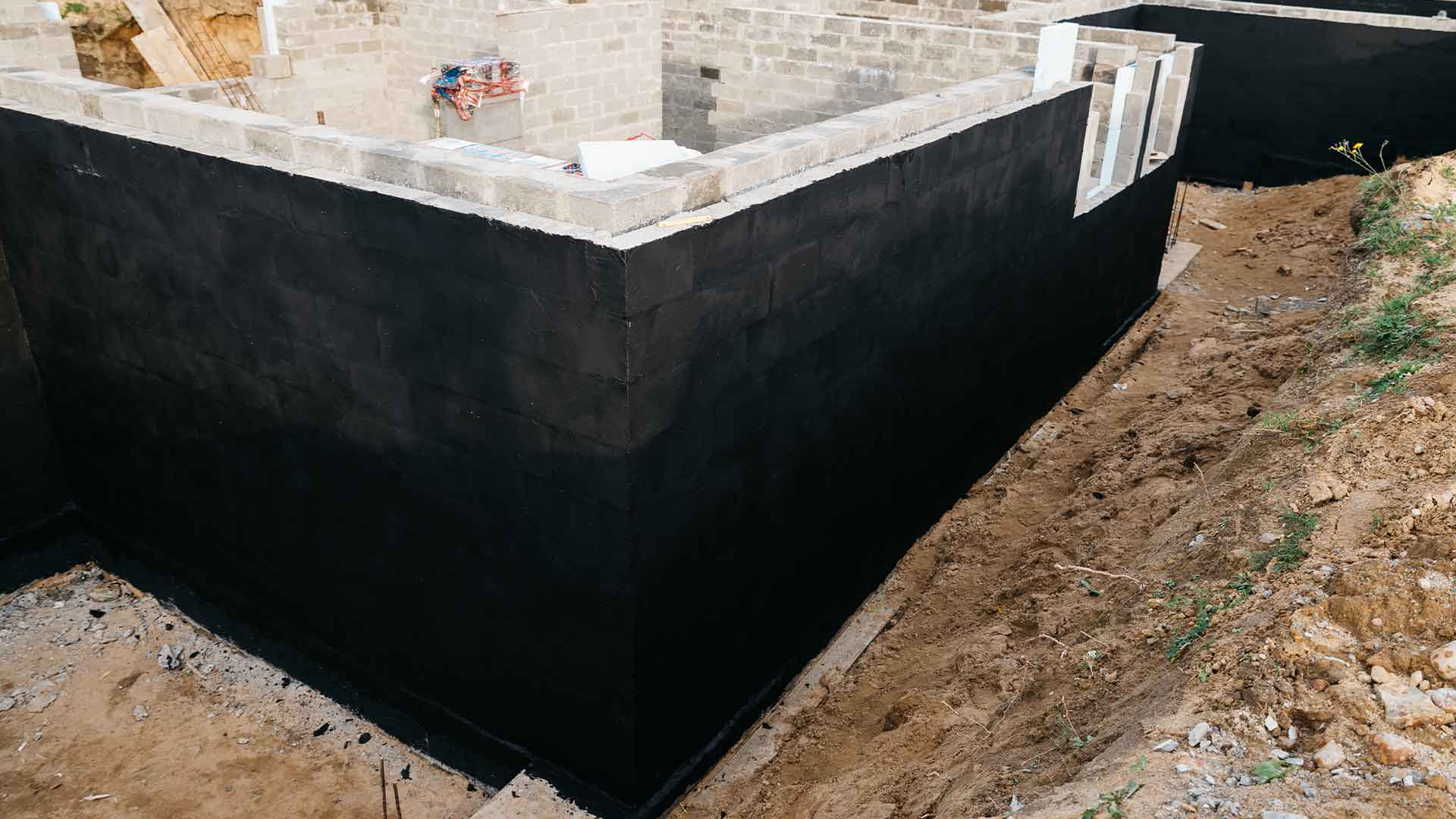
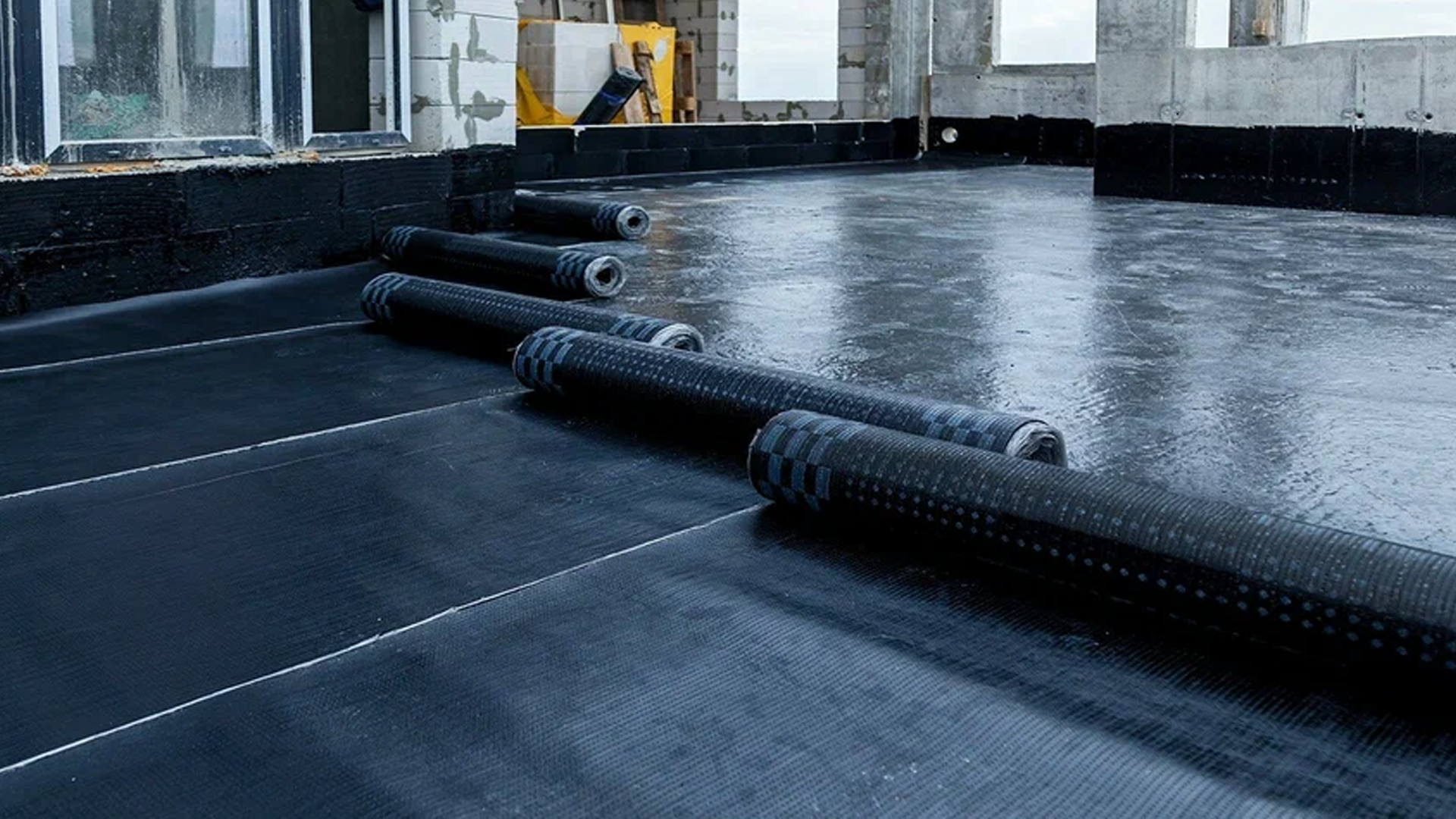
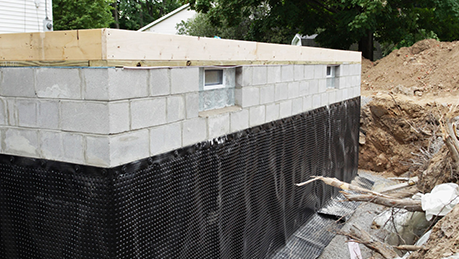
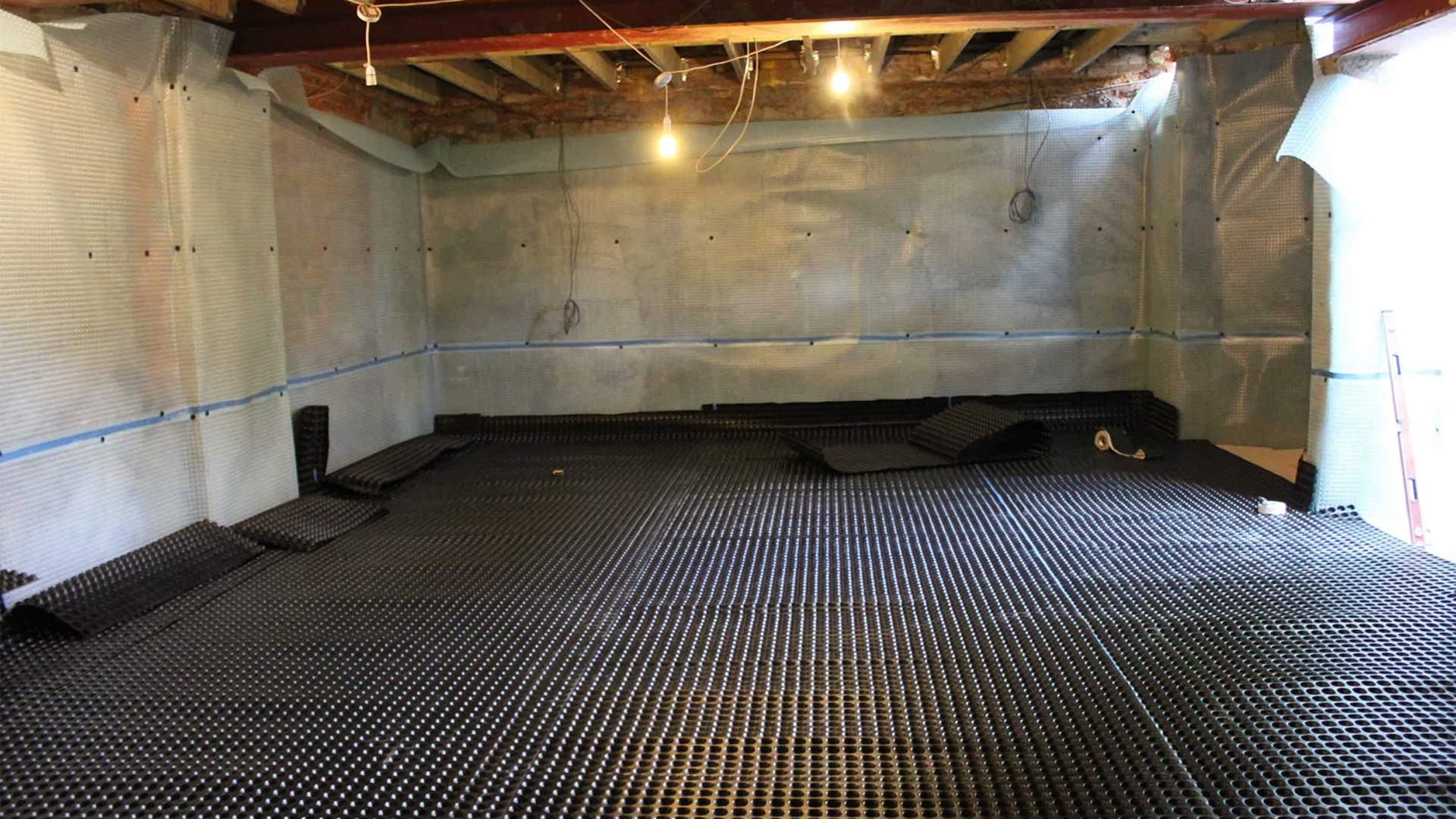
- Proper Membrane Installation: This is the hidden, waterproof layer (like a giant shower liner for your basement) that blocks water under pressure.
- Manage Interior Moisture: Use vents and dehumidifiers to keep the air dry, so any tiny amount of moisture that gets in doesn’t settle in.
Sign 5: Unexplained High Water Bills or Persistent Wet Spots
Here’s the sneakiest sign of all. Your walls aren’t stained. Your basement might even feel dry. But then your water bill arrives, and the number is so high you double-check if you’ve been filling a swimming pool.
Where is all that water going? If you haven’t changed your habits, a hidden leak is the likely cause. This isn’t a dripping tap you can hear. This is water silently escaping from a pipe behind a wall, under a slab, or from a constantly running toilet, quietly contributing to all the moisture issues we’ve talked about.
This sign connects the dots. That mysterious high humidity? The unexplained mold? They could be fed by this invisible leak. It’s a costly problem that worsens every single day, both on your utility bill and in potential hidden damage to your home’s structure.
So, how to tell if your basement needs waterproofing? Great question. Often, it takes a professional to diagnose. But constant leaks can saturate the soil around your foundation, creating the very water buildup around foundations that leads to cracks and seepage. It all ties together.
Here are a few waterproofing tips for homeowners like you and the signs you need to waterproof your basement:
- Do the Meter Test: Read your water meter before bed. Don’t use any water overnight. Check it first thing in the morning. If it moved, you have a leak.
- Listen and Look: In absolute quiet, listen for the sound of running water. Check for damp spots or softer areas on floors and walls.
- Call a Pro: A plumber can find the leak. A waterproofing expert can then assess and fix any damage it caused to your home’s moisture barriers, which is key to protecting your home from water damage in the future.
Conclusion
So, there you have it. From that first musty smell to shocking water bills, your home has a clear language for crying out about water. Each sign is a link in a chain, where unchecked moisture leads to cracks, seepage, and damage that travels from your foundation right up your walls.
If any of these signs feel familiar, it’s time for a professional opinion. At Chris Landscaping & Basement Waterproofing Corp., our Waterproofing & Drainage Services are designed to tackle the root cause, not just the symptom. We’ll help you evict that dampness for good, so you can enjoy a drier, healthier, and more secure home. Give us a call today at (516) 439-9462 or visit https://chriswaterproofingcorp.co/waterproofing/ to learn more and finally put your water worries to rest.