Interior basement waterproofing in Long Island addresses common issues such as groundwater seepage, wall cracks, and moisture buildup. Homes across Nassau and Suffolk County often experience water entering through floors or foundation joints, especially during heavy rainfall. Chris Landscaping & Basement Waterproofing Corp works with interior drainage systems, sump pump installation, and vapour control methods to manage water movement. These systems redirect water away from the basement and help reduce the risk of structural impact. For properties with recurring dampness or flooding, interior waterproofing provides a practical way to control water from within.
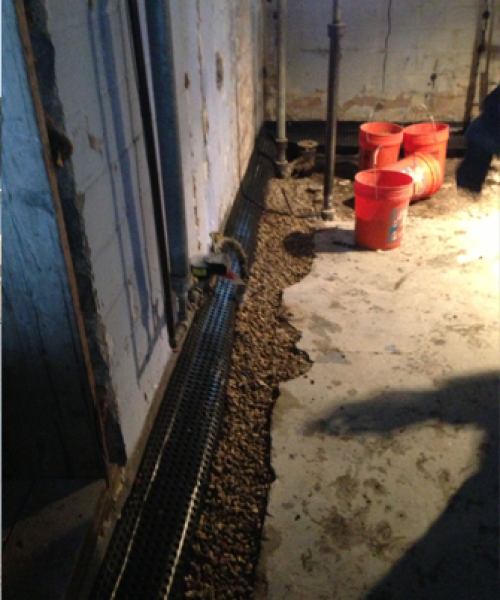
Interior drainage systems are installed along the basement perimeter to collect groundwater before it spreads across the floor. Water is directed into a sump system for removal. This approach is widely used in Long Island, where hydrostatic pressure often leads to water entering through the base of the foundation.
Sump pump systems remove collected water from the basement and discharge it away from the structure. Backup systems support operation during power interruptions, which can occur during storms. This setup plays an important role in reducing flood risk in basements across Long Island.
Crack injection methods seal openings in foundation walls where water can enter. Materials such as polyurethane or epoxy are used to block active leaks. This process helps stabilise the affected area and reduces further water penetration through visible cracks.
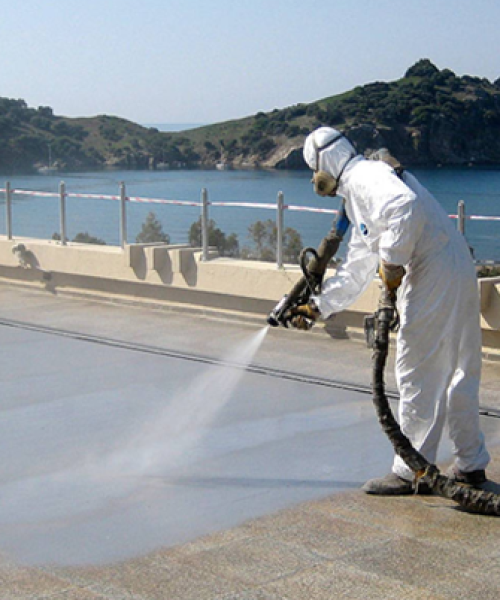
Waterproof coatings are applied to basement walls and floors to reduce moisture penetration. These materials form a surface barrier that supports other waterproofing components. They are often used in combination with drainage systems to improve overall moisture control.
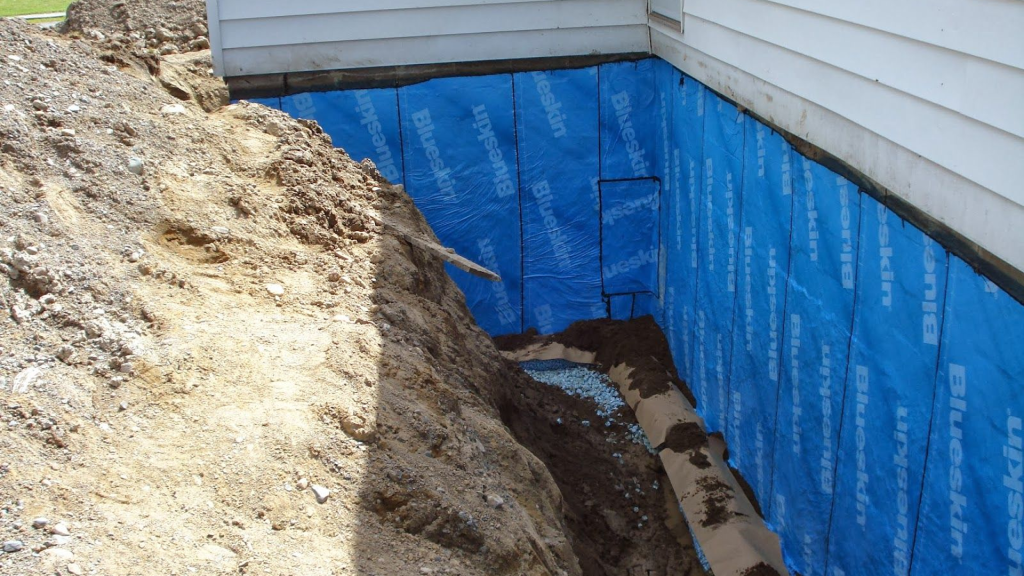
Vapour barriers are installed along walls to reduce humidity and condensation inside the basement. This is particularly relevant in coastal regions like Long Island, where indoor moisture levels can rise. These barriers support a more controlled basement environment.
Chris Landscaping & Basement Waterproofing Corp works with how water enters and moves within basement spaces in Long Island homes. Floor seepage, wall joints, and pressure beneath slabs are considered when selecting and placing interior systems.
Interior waterproofing components such as drainage channels, sump systems, and vapour control layers are arranged to function as one system. This reduces isolated problem areas and supports continuous water movement toward controlled discharge points.
Work is completed within the basement, allowing direct access to water entry zones without disturbing exterior areas. This approach is often used where excavation is not preferred or when water is already entering through floors or wall joints.
Each part of the system is positioned based on water direction, pressure points, and basement layout. This helps guide water toward collection areas and reduces the likelihood of uneven distribution or pooling inside the basement.
The process begins with assessing visible and hidden signs of moisture, including damp spots, floor seepage, wall cracks, and humidity levels. This helps identify how water is entering and moving through the basement environment.
Specific areas such as wall-floor joints, cracks, and low points in the slab are examined. Understanding these entry points allows the system to be designed around actual water paths rather than general assumptions.
A trench is created along the basement perimeter to install the interior drainage system. This step allows groundwater to be captured before it spreads across the floor and redirects it toward a sump collection point.
A sump pit and pump system are installed to collect and remove water from the drainage channels. Discharge lines are positioned to move water away from the foundation, supporting continuous removal during heavy rainfall or groundwater rise.
Additional components such as crack sealing, vapour barriers, or wall coatings are applied where needed. These elements support the drainage system by limiting moisture spread and improving overall basement conditions over time.
Many homes in Long Island are affected by a high water table, coastal weather, and heavy rainfall. These conditions increase pressure around the foundation, causing water to enter through floors, wall joints, or cracks, especially during storms or seasonal changes.
Interior systems are effective for managing water once it reaches the foundation. In many Long Island homes, they are sufficient. However, if structural damage or severe leakage exists, a combination of interior and exterior solutions may be considered.
Common signs include water pooling on the floor, damp walls, musty odours, visible cracks, or peeling paint. If these issues appear repeatedly, it usually indicates ongoing moisture intrusion that should be addressed with a waterproofing system.
A combination of an interior drainage system and a sump pump is widely used. This setup helps collect and remove groundwater efficiently, especially in areas where basements are exposed to constant moisture or hydrostatic pressure.
Standard sump pumps rely on electricity, but battery backup systems can continue operating during outages. This is important in Long Island, where storms can disrupt power while increasing the risk of basement flooding.