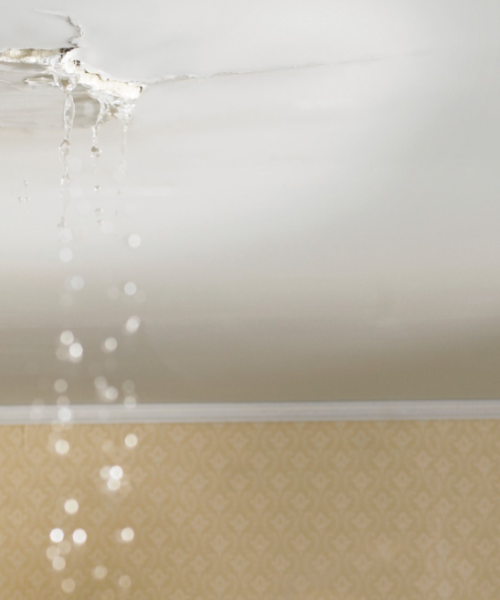
Basement flooding is a common issue in Long Island due to heavy rain, rising groundwater, and soil pressure. Water can enter through cracks, floor joints, and foundation walls. Over time, repeated flooding can lead to damp conditions and visible damage inside the basement.
Chris Landscaping & Basement Waterproofing Corp installs systems that control how water enters and moves through the basement. Drainage systems, sump pumps, and sealing methods are used to reduce water buildup and improve basement conditions.
Interior drainage systems are installed along the basement perimeter to collect water before it spreads across the floor. Water flows into a sump pit for removal. This system is commonly used in Long Island homes where groundwater rises through the basement floor during heavy rain.
Sump pumps remove collected water from the basement and discharge it outside the home. Backup units keep the system running during power outages, which often happen during storms. This helps reduce water buildup and limits the risk of flooding inside the basement.
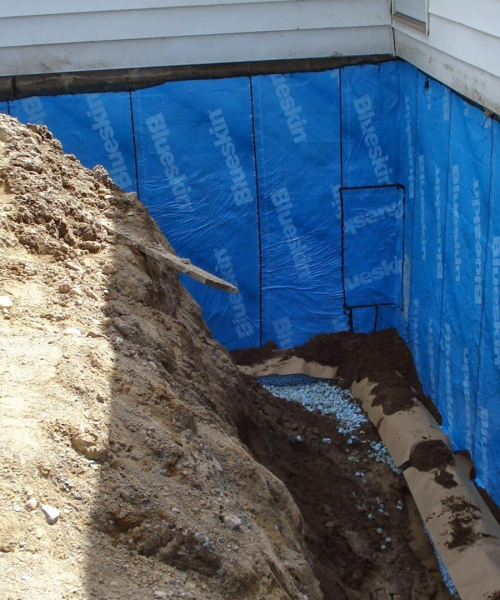
Exterior work includes improving the ground slope and directing rainwater away from the foundation. Downspout extensions and drainage paths help reduce water collecting near the structure. This lowers pressure on foundation walls and reduces the amount of water reaching the basement.
Cracks in foundation walls allow water to enter during rainfall or groundwater rise. Sealing these cracks blocks direct entry points and reduces moisture inside the basement. This step is often combined with drainage systems for better control of water entering the space.
Vapour barriers are installed along basement walls to reduce humidity and moisture after water events. While they do not stop flooding alone, they help keep the basement environment drier and reduce long-term moisture buildup.
Chris Landscaping & Basement Waterproofing Corp works with groundwater levels, rainfall patterns, and soil types across Long Island to guide system selection.
Drainage systems, sump pumps, and sealing methods are installed together. This setup reduces the chances of water entering from different areas and supports more consistent basement conditions.
Systems are arranged to move water toward collection points and discharge lines. This reduces standing water and limits how far it spreads across the basement floor during heavy rain.
Each part of the system is installed in sequence. This ensures drainage paths, pumps, and sealing materials are placed correctly for steady operation under changing water levels.
The process starts by checking signs of water entry, such as stains, damp spots, and cracks. This helps identify where water is entering and how it spreads inside the basement.
Floor joints, cracks, and low areas are examined to locate water entry points. This step helps determine how water moves during rainfall or groundwater rise.
A layout is created using drainage systems, sump pumps, and sealing methods based on basement size and water conditions. This supports better water movement control.
Drainage channels, sump systems, and sealing materials are installed. Each part is placed to guide water toward discharge areas and reduce buildup inside the basement.
The system is reviewed to confirm water flows correctly toward discharge points. Adjustments are made if needed to improve performance during heavy rain.
Heavy rain increases groundwater pressure around your home. Water can enter through cracks, floor joints, or walls, especially if drainage is limited or missing.
Interior drainage systems combined with sump pumps are widely used. They collect and remove water before it spreads across the basement floor.
Many homes benefit from sump pumps due to groundwater conditions. They help remove water before it builds up and causes flooding.
Yes, even small cracks can allow water to enter over time. Sealing them helps reduce moisture and limits water entry into the basement.
Most basement flooding systems are installed within a few days, depending on the size of the basement and the work required.