You walk into your basement to grab a winter coat, and that smell hits you again. Damp, musty, the one you have been pretending is nothing. Then you see it. A small brown stain creeping down the wall near the floor. Your stomach drops because you know exactly what that means. Water damage in home is never just a surface problem, and ignoring it only makes the repair bill worse.
What is the most common cause of water damage? Most people assume it is floods or pipe bursts. But the truth is quieter and sneakier. Leaks start behind walls, under sinks, inside the tiny hose that feeds your refrigerator ice maker. By the time you actually see the stain, that water has been working its damage for weeks or months.
In this blog, we will walk through the most vulnerable areas in home for water damage. Three rooms. Bathroom, kitchen, basement. We will show you exactly where to look, what to fix, and when to call someone who does this for a living.
What Makes Certain Areas More Vulnerable to Water Damage
Before we get into the three rooms, let us talk about why some spots in your house attract trouble while others stay dry.
Four things. Constant water usage. Plumbing concentration. Appliances that depend on hoses and seals. And structural design that traps moisture instead of letting it escape. A bedroom has maybe one pipe. A kitchen has supply lines, drain lines, a dishwasher hose, a refrigerator line, and a sink that runs every single day. That is a lot of chances for something to go wrong.
Most of these pipes are hidden inside walls or under floors. You cannot see them, so you do not think about them. That is what makes certain spots leak-prone areas in house without you ever realizing the risk.
So what places around the home could be potential water dangers? Anywhere with a seal, a gasket, or a connection point. Toilets have wax rings that dry out. Dishwashers have rubber hoses that crack. Even a perfectly installed pipe can start leaking after a pressure surge from your water heater.
The three rooms we are about to cover, bathrooms, kitchens, and basements, share all of these risks. Let us start with the room that sees more water than any other.
Area #1 – Bathrooms – The Most Concentrated Source of Water Risk
Your bathroom is ground zero for water damage. Think about it. Every single time someone showers, flushes, or washes their hands, water moves through pipes inside your walls and floors. Most of the time, everything works fine. But when something fails, you often do not notice until the ceiling below starts looking like a sad watercolor painting.
Where Trouble Hides
Toilets are the biggest offenders. That wax ring underneath? It dries out and cracks. Suddenly every flush sends a little water onto the subfloor. You never see it, but the wood rots slowly over months. Sinks and showers leak from worn out cartridges or cracked handles. Sometimes the leak is so small that you only notice it when your water bill jumps for no reason.
The Mold Factor
Bathrooms stay humid. That is just physics. But when you add a hidden leak behind a tile wall, you create the perfect environment for mold. Warm, wet, dark, and unseen. By the time you smell something musty, the colony has already spread.
What You Can Do
- Check under your sink every month. Not when you are looking for something. Actually get down there and feel the pipes. Look at the floor of the cabinet. If you see any dark spots or feel dampness, you have a problem.
- Run the bathroom fan during and after every shower. That cuts humidity before it settles into your drywall.
- Listen for toilets that refill randomly. That usually means the flapper is leaking, which wastes water and can lead to bigger issues.
Now let us move to the kitchen. It is a different kind of risk, but just as dangerous.
Area #2 – Kitchens – Appliance Driven Water Damage Zone
Your kitchen looks harmless. Stainless steel appliances, nice cabinets, maybe a potted plant on the windowsill. But behind that pretty face, water is moving through hoses and pipes every single day. And when one of those parts fails, you rarely notice until the damage is done.
The Usual Suspects
Dishwashers
Dishwashers are the number one culprit in most kitchens. The hose that feeds water to the machine sits under your sink. It gets hot, cools down, gets hot again. After a few years, the rubber stiffens and cracks. Then one night while you are asleep, that tiny crack becomes a steady drip under your floor.
Refrigerators
Refrigerators with ice makers or water dispensers have a thin plastic line running from your sink cabinet to the back of the fridge. That line is notorious for springing pinhole leaks. You will not see water on your kitchen floor because the fridge sits over it. Instead, that water soaks into your subfloor and spreads toward your dining room before you ever know something is wrong.
Sink Pipes
Under sink pipes are another common headache. People shove cleaning bottles, trash bags, and who knows what else into that cabinet. Every shove bumps the pipes. Over time, connections loosen. You get a slow drip that keeps the cabinet floor constantly damp areas in house that homeowners mistake for “just humidity.”
Where does water damage usually start in a house? In the kitchen, it starts quietly. You might notice a faint smell. Or a slight warp in the vinyl flooring near the dishwasher. Or maybe your water bill creeps up ten dollars a month for no reason. Those are the early warnings.
What to Check
Once a month, pull out the kick plate under your dishwasher and shine a flashlight in there. Look for water stains or rust. Run your hand along the plastic line behind your fridge. If it feels wet or sticky, replace it. And stop using that under sink cabinet as a storage locker. Give your pipes some breathing room.
Now let us head downstairs. The basement is where all this water eventually ends up.
Area #3 – Basements & Low Lying Spaces – The Hidden Accumulation Zone
Here is the thing about basements. They are the lowest point in your house, so water always wants to go there. Gravity does not care about your finished floors or the storage bins full of Christmas decorations. If water gets inside your home, it will find the basement eventually.
Where Basement Water Comes From
Upstairs Leaks
Some basement water comes from upstairs leaks. That dripping toilet or slow dishwasher leak? The water travels down through walls, along pipes, and settles right under your feet. But basements also have their own unique problems.
Groundwater
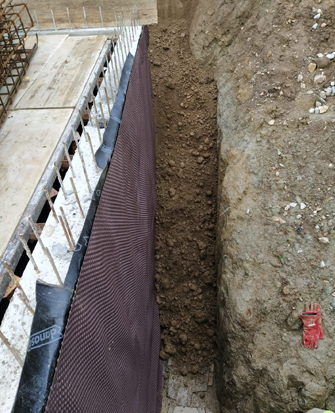
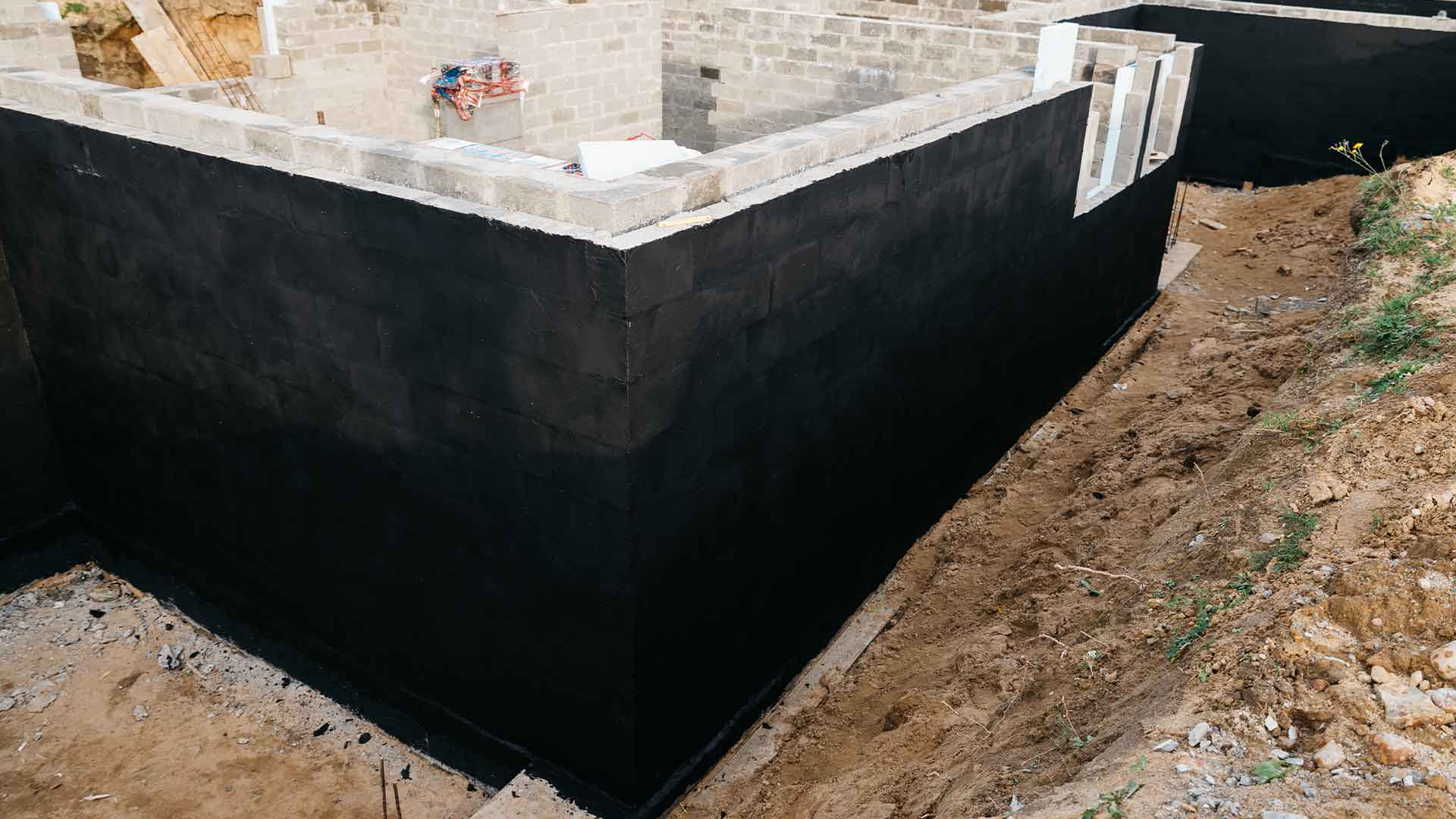
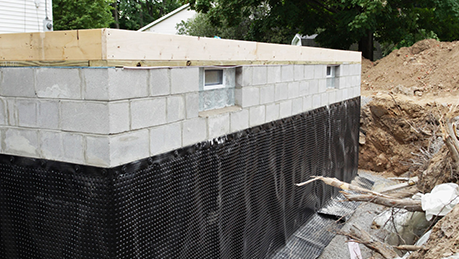
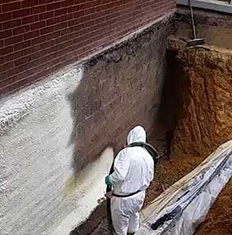
Groundwater seeps through foundation cracks. You might not even see the crack because it is behind a stud or below grade. But every time it rains hard, water pushes against your foundation walls. Hydrostatic pressure forces moisture through tiny openings. You end up with water intrusion in house that leaves white mineral deposits on the concrete, a sure sign of ongoing seepage.
Water Heaters
Water heaters live in basements. They have a life expectancy of about ten years. After that, the tank can rust from the inside out. One day you come downstairs and find a puddle around the base. That is not a small leak. That is a replacement waiting to happen.
Sump Pumps
Sump pumps fail. Usually during the worst storm of the year. The power goes out, the pump stops, and groundwater keeps rising. By morning, you have inches of water across your entire basement floor.
What Are the Most Common Areas of Water Damage in a Home?
Bathrooms, kitchens, and basements. Those three rooms account for the vast majority of claims. Bathrooms leak from fixtures. Kitchens leak from appliances. Basements collect everything that drips from above plus their own groundwater issues. That is why areas in house prone to water damage almost always include these three spaces.
How to protect your basement
- Check foundation walls twice a year for new cracks. Small vertical cracks can be sealed. Horizontal cracks or bowing walls need professional help.
- Test your sump pump by pouring a bucket of water into the pit. It should kick on and drain quickly. If it struggles or stays silent, get it fixed before the next storm.
- Keep humidity below 50 percent with a dehumidifier. Dry air means mold struggles to grow even if a small leak appears.
Up next, how to actually find these problems before they become disasters.
How to Find Hidden Water Damage Before It Spreads?
You do not need x-ray vision to find water damage. You just need to know what to look for. Most leaks leave clues long before they become emergencies. Here is how to spot them.
Common signs of hidden leaks
- Brown or yellow stains on ceilings or walls. These start small, sometimes just a faint ring, then grow over weeks or months. If you see one, there is active moisture above it.
- Peeling or bubbling paint. Water pushes paint away from drywall or plaster. It looks like blisters or cracks. That is not a painting mistake. That is a leak.
- A musty smell that never goes away. Even if you cannot see water, that odor means something is wet somewhere. Mold does not need much moisture to thrive.
- Warped or buckling floors. Hardwood swells. Laminate bubbles at the seams. Tile grout darkens in one spot. All of these point to moisture underneath.
- A sudden jump in your water bill. If no one started taking longer showers and you did not fill a pool, a hidden leak is the most likely answer.
How to find hidden water damage?
Start with the three rooms we already covered. Bathroom, kitchen, basement. Get on your hands and knees and look under sinks. Shine a flashlight behind toilets. Check the floor around your water heater. Run your hand along refrigerator water lines. If something feels damp or sticky, you found the source.
Also check less obvious spots. The wall behind your washing machine. The ceiling directly under your upstairs bathroom. The corners of your basement where walls meet the floor. Common places water leaks in homes are not always right in front of you. They hide where you do not look every day.
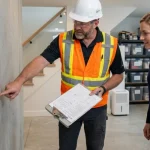
When to Call a Professional
You can handle a loose pipe or a drip under the sink. But some problems need someone who does this every day.
Call a pro when:
- The leak keeps coming back after you tried to fix it
- You see water stains on multiple levels of your house
- Your basement floods more than once
- You find mold growing on walls or ceilings
- Your water bill doubles for no explained reason
That is where waterproofing services and a trusted waterproofing company come in. They find what you cannot see and fix it so the problem stays fixed.
Chris Landscaping & Basement Waterproofing Corp specializes in waterproofing services, providing complete drainage solutions across New York to help residential and commercial properties control water flow and reduce flooding risks.