Exterior basement waterproofing on Long Island is designed to prevent water from reaching your basement walls. Properties across Nassau and Suffolk County often face groundwater buildup due to soil conditions and seasonal rainfall. This creates pressure around the foundation, leading to cracks and leaks.
Chris Landscaping & Basement Waterproofing Corp installs exterior systems that block and redirect water at the source. By combining foundation sealing, drainage systems, and waterproof membranes, exterior waterproofing reduces moisture exposure and supports structural stability. This method is often selected for properties with recurring water intrusion or visible foundation damage.
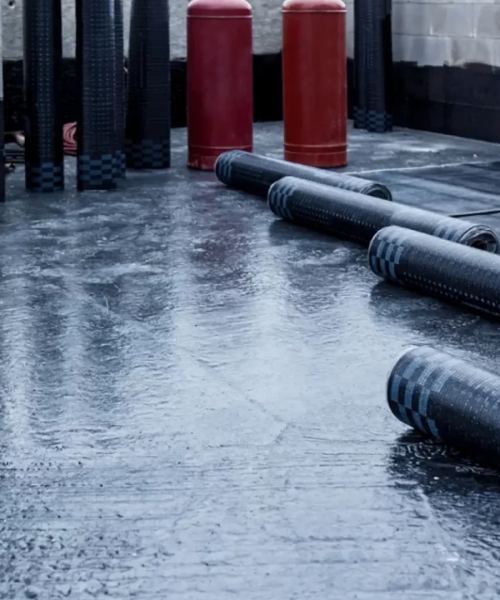
Excavation is carried out around the foundation to expose the exterior walls fully. After preparation, a waterproof membrane is applied to create a barrier between the structure and surrounding soil moisture. This system helps reduce water penetration from hydrostatic pressure and supports the long-term protection of foundation surfaces under changing soil conditions.
Exterior drainage systems are installed along the base of the foundation to collect groundwater and direct it away from the structure. These systems help manage water accumulation in soil surrounding the home and reduce pressure on foundation walls, which is a common issue in Long Island due to varying groundwater levels.
Foundation cracks are sealed from the exterior side to block water entry points before waterproofing layers are applied. This process involves cleaning and filling cracks with appropriate materials to reduce water infiltration. Addressing cracks early helps limit further damage and improves the effectiveness of the overall waterproofing system.
Waterproof coatings are applied to exterior foundation walls to add layer of protection against moisture. Protective boards or layers may also be installed to shield the membrane from soil movement and debris during backfilling, helping maintain system performance over time under ground pressure conditions.
Surface drainage improvements involve adjusting the grading around the property to direct water away from the foundation. Downspout extensions and drainage paths are installed to reduce water pooling near the structure. This supports the exterior waterproofing system by limiting the amount of surface water reaching foundation walls.
Chris Landscaping & Basement Waterproofing Corp works within the context of local soil response, groundwater movement, and seasonal rainfall patterns across Nassau and Suffolk County. This allows each system to align with how water behaves around the structure rather than applying a standard approach.
Each waterproofing setup is arranged so drainage, sealing layers, and protective elements function together. This reduces weak points within the system and supports consistent water control, particularly where hydrostatic pressure changes throughout the year.
Work is carried out externally with attention to excavation depth, soil stability, and structural exposure. This allows direct treatment of foundation walls and water entry zones, rather than relying on internal containment methods alone.
Each stage, excavation, preparation, sealing, and drainage placement, is completed in sequence with attention to alignment and durability. This structured approach supports long-term system function under varying environmental conditions.
The process begins with a close inspection of foundation walls, soil conditions, drainage patterns, and visible signs of water intrusion. Entry points such as cracks, joints, and low-grade areas are identified to understand how water is interacting with the structure over time.
Targeted excavation is carried out around affected sections of the foundation. This step allows full access to exterior walls and problem areas. Soil is removed carefully to maintain surrounding stability while preparing the surface for repair and waterproofing application.
Foundation walls are cleaned to remove debris, dirt, and old coatings. Any cracks or gaps are sealed using appropriate materials before waterproof layers are applied. This step ensures the surface is properly prepared for long-term adhesion and performance.
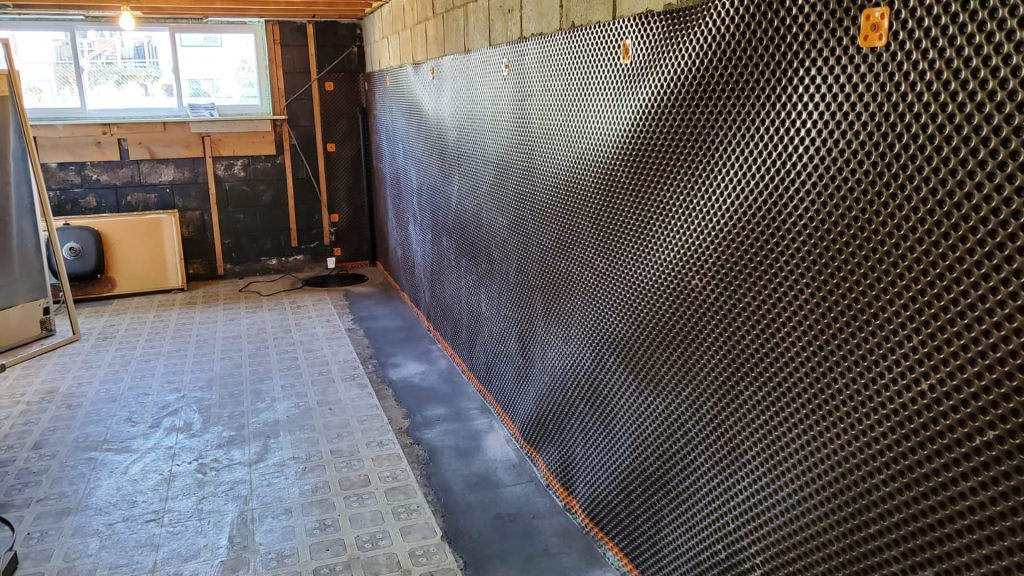
Membranes, coatings, and drainage components are installed in sequence. Drainage systems are positioned to redirect groundwater away from the structure, while protective layers are added to support the membrane under soil pressure and environmental exposure.
Once installation is complete, the excavated area is backfilled using appropriate material. The ground is graded to direct water away from the foundation. Surface drainage paths are checked to support the overall system and reduce water accumulation near the structure.
For homes experiencing repeated water intrusion or foundation leaks, exterior waterproofing addresses the source of the problem. It reduces water pressure around the foundation, which is common in Long Island due to groundwater levels and seasonal weather changes.
If water is entering through foundation walls or if there is visible exterior damage, exterior waterproofing may be more suitable. It is often considered when internal systems are not enough to control ongoing water intrusion.
Excavation is planned around the structure, and affected areas may be temporarily disturbed. After installation, the area is backfilled and restored to support proper drainage and ground stability.
Work is typically scheduled during suitable weather conditions. Frozen ground or heavy rainfall may affect timing, but most projects in Long Island are completed during workable seasons.
Exterior systems are designed for long-term performance because they prevent water from reaching the foundation. Their lifespan depends on the materials used and the soil conditions.