You paid good money for that landscaping. Fresh plants, new sod, a patio you actually want to use. But now every time it rains, your yard turns into a swamp. The grass is yellowing, mulch is floating down the driveway, and that patio? Cracking already.
Understanding what are signs of poor garden drainage is not hard to spot once you know what to look for. But many landscaping contractors skip the boring stuff like grading and drainage planning. They make the yard look pretty on day one. Then the water proves them wrong.
This blog walks you through four signs your landscaping contractor did poor drainage planning so you can catch the problem before it costs you a foundation repair.
Persistent Water Pooling in Your Yard
You walk outside two days after a rainstorm. There should be dry ground. Instead, you find puddles still sitting in the middle of your lawn like they own the place.
What is considered improper drainage? Simple. Water that sticks around longer than 24 to 48 hours after rain stops. A well designed yard lets water soak in or run off. A poorly planned one holds it like a bowl.
So in case you are wondering, “Why is water pooling in my yard after landscaping?”, you hired someone to make your yard beautiful. But if they ignored grading, your yard might actually slope toward the lowest point in the middle instead of away from your house. Low spots collect water. Compacted soil from heavy equipment makes it worse. Now you have a pond where your grass used to be.
But how to tell if the landscaping contractor did drainage wrong? Look at where the water sits. Is it near the foundation? In the middle of the lawn? Along the edges where gutters empty? A proper landscaper checks slopes, installs drainage where needed, and makes sure water has somewhere to go.
The Risks of Standing Water
- Mosquitoes breed in stagnant water. One puddle means hundreds of biting insects.
- Grass roots drown when soil stays soggy. That is why your lawn is turning yellow.
- Plants rot. Ornamental shrubs and flowers do not like wet feet.
- You cannot use your yard. No play area for kids. No relaxing on the patio.
Improper yard grading and drainage is not a small mistake. It is the difference between a yard you enjoy and a yard you avoid.
Soil Erosion and Washed-Out Landscaping
Every time it rains, your yard looks like a crime scene. Mulch in the driveway. Soil across the sidewalk. Tree roots sticking up like trip wires.
You see, water should move gently across your property. But without proper drainage planning, it becomes a bulldozer. Landscaping drainage problems like this happen when water rushes instead of flowing. It picks up topsoil, mulch, and anything loose, then dumps it somewhere else.
Signs of Poor Drainage in Yard After Landscaping
- Mulch washed into walkways or streets
- Bare patches where grass used to grow
- Exposed tree or shrub roots
- Small gullies or trenches forming in flower beds
- Soil piled up against your foundation or fence line
Faulty landscape grading is usually the culprit here. The yard should slope away from your house, not channel water into straight channels that gain speed. A good landscaping contractor plans for gentle redirection. A bad one ignores slope entirely.
Why This Hurts Your Yard
Losing topsoil means losing nutrients. Plants struggle. Grass thins out. And you spend more money on mulch and soil replacement every season, watching it wash away again.
Poor drainage in yard does not just look bad. It makes your landscape impossible to maintain. Fix the grading and the erosion stops. Ignore it and you are just paying to watch dirt disappear.
Cracks in Hardscapes and Foundation Damage
Your patio is cracking. The walkway to the front door now has a noticeable tilt. And that new retaining wall? Already leaning.
If you are asking, “Can poor drainage damage my home’s foundation?”, the answer is yes. Water is patient and powerful. It seeps into every tiny gap, freezes, expands, and pushes. Over time, that push becomes cracks, then leaks, then structural problems that cost tens of thousands to fix.
How It Happens
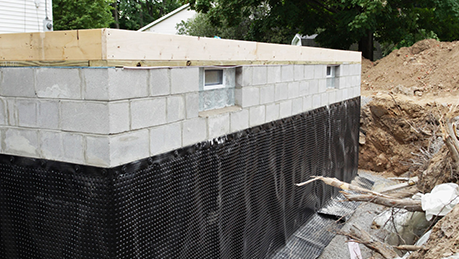
When drainage issues in landscaping go unaddressed, water collects near your home’s base instead of draining away. Soggy soil cannot support weight. So your foundation settles unevenly. This is exactly why cracks appear, basements get damp, and crawl spaces turn into swimming pools.
The same thing happens to patios and walkways. Improper yard grading and drainage allows water to pool under hardscapes. The soil beneath shifts. Concrete slabs sink on one side. Pavers become uneven. Trip hazards and headaches all in one.
Landscaping Drainage Mistakes That Cause This Include:
- Gutters dumping water right next to the foundation
- Yard sloped toward the house instead of away
- No french drains or catch basins installed
- Downspouts too short to reach past the flower bed
What to Look For
- Stair step cracks in foundation walls
- Doors that stick or do not close right
- Cracks in your garage floor
- Patio slabs where one side is lower than the other
- Water stains in your basement after heavy rain
Recurring Mold, Mildew, and Lawn Damage
Your yard smells musty, there is a greenish slime on your walkway, and no matter what you do, that one patch of grass stays yellow while the rest is fine.
Do landscapers deal with drainage issues? Good ones do. The ones who ignored your drainage plan left you with soil that never fully dries. Damp conditions breed problems. Mold on your exterior walls. Mildew on your patio. Fungus in your lawn.
Signs of Poor Garden Drainage in This Category Are Hard to Miss:
- Yellow or brown patches of grass that stay wet
- Mushrooms popping up in the same spots after every rain
- Fuzzy green or black growth on shady parts of your lawn
- White powdery mildew on plant leaves near the ground
- A musty smell coming from flower beds or mulch
And then there are health risks you cannot ignore.
That mold on your exterior walls does not stay outside. Spores travel through windows, doors, and crawl spaces. For family members with allergies or asthma, damp yards mean more symptoms. More doctor visits. More medication.
How do I know if my contractor ignored drainage planning? Check for these signs after rain:
- Soil that squishes under your feet days later
- Algae growing on walkways or steps
- Powdery mildew on low growing shrubs
- Lawn that never seems to dry out, even in sun
A properly drained yard dries within a day or two. If yours does not, your contractor cut corners.
Why Do These Problems Occur?
You have seen the signs. Now you are probably wondering how a professional got it so wrong. So here are some common landscaping drainage mistakes contractors make.
- Ignoring the grade entirely. The yard should slope away from your house at about 6 inches over the first 10 feet. Many contractors eyeball it or skip it. Then water flows toward the foundation instead of away.
- Compacting the soil. Heavy equipment and constant foot traffic turn loose soil into hardpan. Water cannot soak through. It sits on top or runs off, taking your topsoil with it.
- Failing to install drainage systems. French drains, dry wells, catch basins. These are not optional on many properties. But they take time and money, so some contractors pretend the yard does not need them.
- Downspouts dumped at the foundation. Gutters empty right next to the house. No extensions. No underground pipes. All that roof water soaks into the soil next to your basement walls.
- Planting without considering water flow. A beautiful garden in a low spot is a drowned garden. Plants need drainage too.
The contractor who did your yard either did not know better or did not want to spend the extra money. Either way, you are left with the mess.
The good news? These problems are fixable. A qualified drainage specialist can regrade your yard, install French drains, add catch basins, and redirect downspouts. It costs money, but it costs less than a foundation repair or a full landscape replacement.
Conclusion
Standing water, soil erosion, cracked hardscapes, and moldy patches are four signs your landscaping contractor ignored drainage planning. Poor grading and missing drainage systems lead to damaged foundations, unhealthy lawns, and constant maintenance headaches. A yard should shed water, not hold it. Fix the drainage now or pay for the damage later.
If you are tired of a yard that fights you every time it rains, let us fix it right. Chris Landscaping & Basement Waterproofing Corp provides professional landscaping services with a team of contractors that never ignore drainage planning. You get a yard that works for you, not against you.
Call us at (516) 439-9462.
Frequently Asked Questions
- How do I know if my yard has poor drainage after landscaping?
If water stays longer than 24–48 hours, soil feels soggy days later, or you see pooling, erosion, or yellow grass, your drainage is likely poor.
- Can bad landscaping drainage damage my foundation?
Yes. Water collecting near your foundation weakens the soil, causing cracks, settling, and long-term structural damage.
- What is the fastest way to fix yard drainage problems?
The quickest fixes include regrading the yard, extending downspouts, and installing French drains or catch basins.
- Why does my yard flood even after new landscaping?
Most often due to improper grading, compacted soil, or missing drainage systems that were ignored during installation.
- Do I need to redo my entire landscaping to fix drainage issues?
Not always. Many problems can be fixed with targeted solutions like regrading specific areas or adding drainage systems.