You already know water causes damage. You’ve seen it. A damp corner in the basement, a ceiling stain that appeared out of nowhere, a cracked wall that somehow keeps getting worse. Waterproofing methods exist to stop all of that before it starts.
But here’s where most people get stuck: not every method works on every surface. What works on a flat roof won’t necessarily do the job on a concrete foundation. And picking the wrong one doesn’t just waste money, it leaves the problem exactly where it started.
In this blog, we’ll walk through the five most common types of waterproofing, where each one actually belongs, and how to figure out which fits your situation best. Just a clear, honest breakdown you can actually use.
What Are the Different Types of Waterproofing Methods?
Not all waterproofing systems are created equal, and that’s kind of the whole point. Some harden into a rigid shell, others stay flexible and move with the building. Some come in a bucket, some unroll like a carpet, and some cost twice as much as others for a very good reason.
Before we get into each one, here’s your quick roadmap:
- Cementitious waterproofing — rigid, simple, great for bathrooms and water tanks
- Liquid waterproofing membrane — flexible and seamless, works well on roofs and walls
- Bituminous coating — tough protection for foundations and below-grade concrete
- Bituminous membrane — sheet-based, heavy-duty, built for flat roofs under real pressure
- Polyurethane liquid membrane — the premium pick for exposed, high-traffic outdoor surfaces
Five methods. Five different jobs. Let’s break them down one by one so you actually know which one belongs where.
1. Cementitious Waterproofing
Let’s start with the one that keeps things simple.
Cementitious waterproofing is a cement based mixture that you brush or trowel directly onto masonry or concrete surfaces. It dries hard, bonds well, and creates a solid barrier against moisture. No blowtorch, no specialist rig, no complicated prep work. Mix it, apply it, let it cure.
That ease of application is also why it ranks among the most cost effective waterproofing techniques around. The materials are cheap, widely available, and most contractors can apply them without much effort. For internal wet areas, it just makes sense.
It does have a ceiling, though. Because it dries rigid, it cannot handle movement. If your surface shifts even slightly with temperature changes, cracks form and water finds them fast. Sunlight degrades it too, so outdoor or exposed surfaces are a hard no.
Think of it like duct tape. Brilliant in the right situation. Useless in the wrong one.
2. Liquid Waterproofing Membrane
Cementitious waterproofing is great until things start moving. And things almost always start moving.
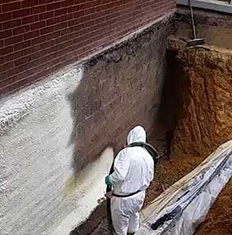
That is where a liquid membrane comes in. It cures into a flexible, rubbery coating that stretches with the surface instead of cracking under pressure. Rolled, brushed, or sprayed on, it dries into a seamless layer with no joints and no gaps for water to find.
It works especially well on roofs, exterior walls, and surfaces with corners or irregular shapes — basically anywhere movement is part of the deal. Among the latest waterproofing techniques, this one is widely used because it handles what rigid systems simply cannot.
The catch? Quality varies by product, and surface prep matters. Apply it over damp or dirty concrete and it will peel. Get those two things right and it holds up well.
3. Bituminous Coating
If liquid membranes are the flexible option, think of bituminous coating as the tough, no-nonsense workhorse sitting right next to it.
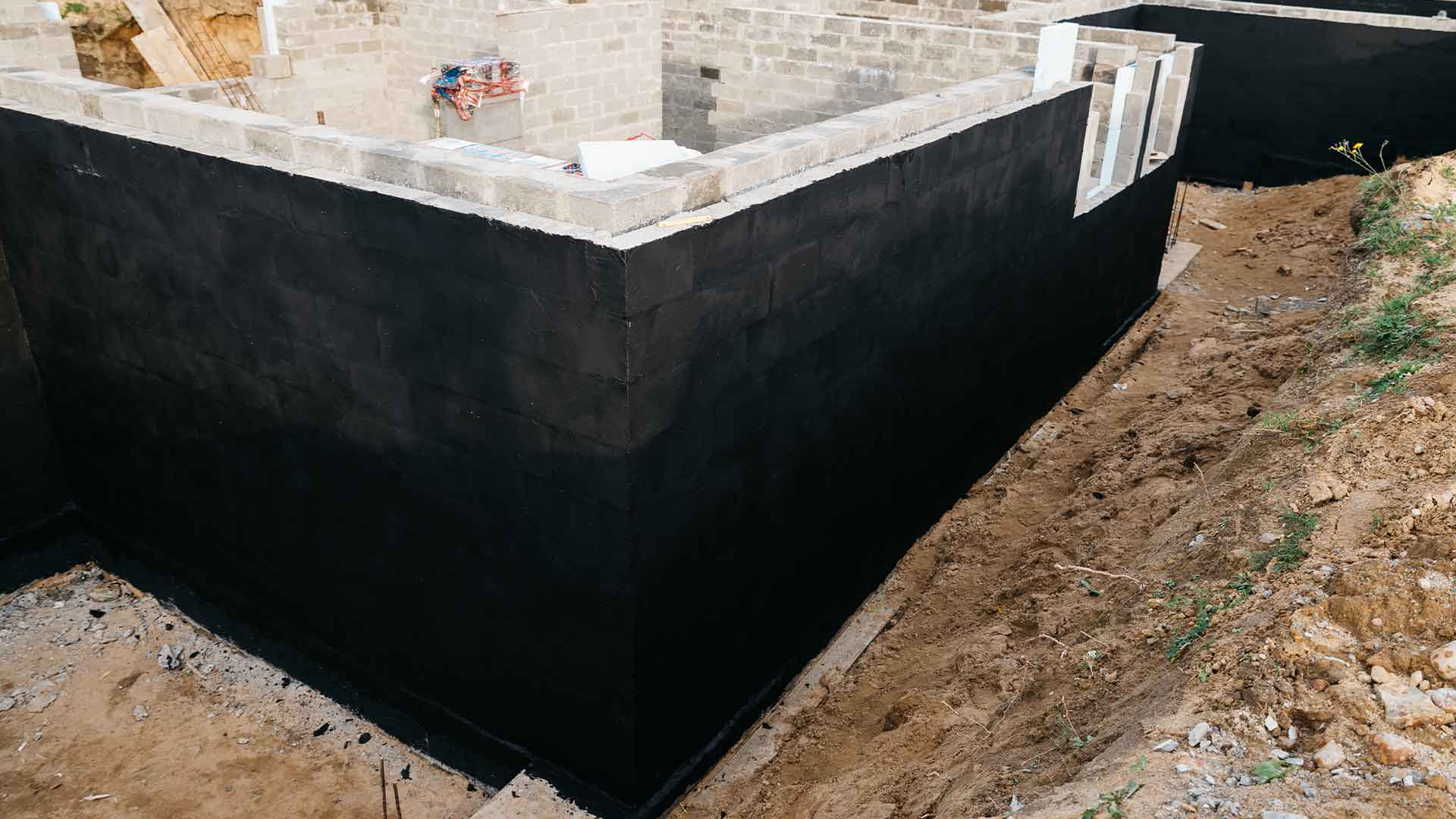
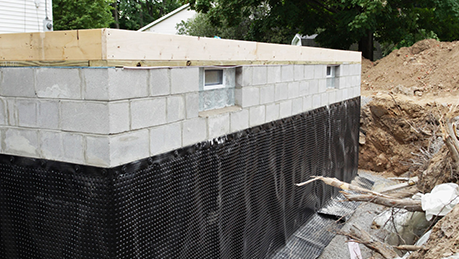
Bituminous waterproofing is made from bitumen, a thick, heavy material derived from petroleum. It gets applied as a coating onto concrete surfaces, typically below ground level, where it forms a tough protective layer that blocks moisture from seeping through.
It sticks well to concrete, resists water pressure, and does its job quietly for years when applied correctly. Among water leakage prevention techniques used for foundation work, bituminous coating is one of the most established options in the industry.
Here is the catch though. Sunlight is its enemy. Direct UV exposure breaks the material down and causes it to become brittle and crack over time. This is why bituminous coating is almost always used below grade or in areas shielded from the sun. When it does need to go above ground, it requires a protective layer or a UV-resistant top coat to hold up.
4. Bituminous Membrane
Now we move from coating to sheet. Same base material, very different form factor.
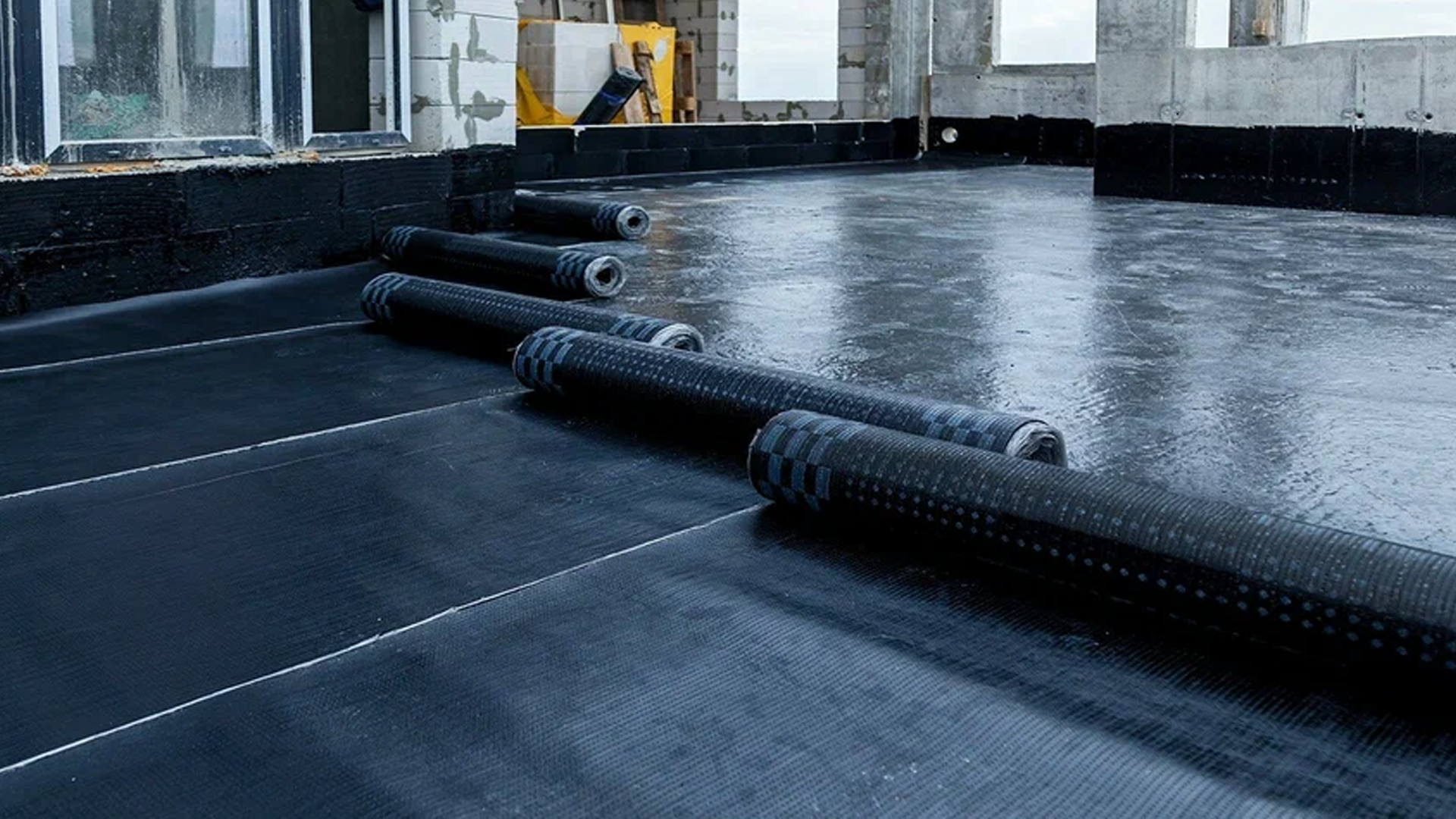
A bituminous membrane comes in rolls and gets physically laid down over the surface rather than brushed or sprayed on. The installation method depends on the product. Some are self-adhesive and stick down with pressure. Others are torched on with heat, which bonds the membrane directly to the substrate and creates a much stronger seal. Either way, the result is a thick, uniform layer with consistent coverage across the entire surface.
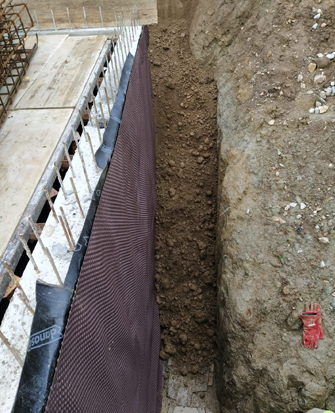
Waterproofing solutions like bituminous membranes have become a go-to for flat and low slope roofs, below grade foundations, tunnels, and retaining walls for exactly this reason. They handle hydrostatic pressure well, they’re durable under heavy load, and they hold up against prolonged moisture exposure without breaking down.
This is not a method where close enough is good enough. It rewards precision and penalizes shortcuts. When how waterproofing is done matters as much as which product you choose, bituminous membrane is the clearest example of that truth.
Next up is the premium option on the list, and the one most likely to show up on a high end project.
5. Polyurethane Liquid Membrane
Think of this as the premium tier of the liquid membrane world.
Polyurethane waterproofing does everything a standard liquid membrane does, but with better elasticity, stronger UV resistance, and a longer lifespan. It stretches significantly without cracking, bonds tightly to the surface, and holds up well under direct sunlight and weather exposure. For surfaces that live outdoors and deal with constant movement, that combination is hard to beat.
This is the go-to method for exposed rooftops, balconies, terraces, and decks. Anywhere the surface is visible, weathered, and subject to thermal expansion, polyurethane tends to outperform the alternatives. If you have been wondering which waterproofing method is most effective for outdoor exposed areas, this one comes up at the top of most shortlists.
The main catch is cost. Polyurethane is noticeably more expensive than cementitious or bituminous options, both in materials and application. It also demands thorough surface prep. Moisture in the substrate before application is one of the most common causes of bubbling and early failure, so the surface needs to be clean, dry, and properly primed.
Get those two things right and you have one of the most durable waterproofing systems available for residential and commercial use alike.
Which Method Is Right for Your Project?
Five methods, five different jobs. The table below cuts straight to what matters so you can match the right system to the right surface without second-guessing yourself.
| Method | Best Use | Flexibility | Indoor / Outdoor | Relative Cost | Major Limitation |
| Cementitious | Bathrooms, tanks, basements | Rigid | Indoor / below grade | Low | Cracks under movement |
| Liquid Membrane | Roofs, exterior walls | High | Both | Moderate | Quality varies by product |
| Bituminous Coating | Foundations, below grade slabs | Low | Indoor / below grade | Low to moderate | Breaks down in sunlight |
| Bituminous Membrane | Flat roofs, retaining walls | Moderate | Both | Moderate | Application errors cause failure |
| Polyurethane | Exposed rooftops, balconies, decks | Very high | Outdoor / exposed | High | Moisture sensitive during application |
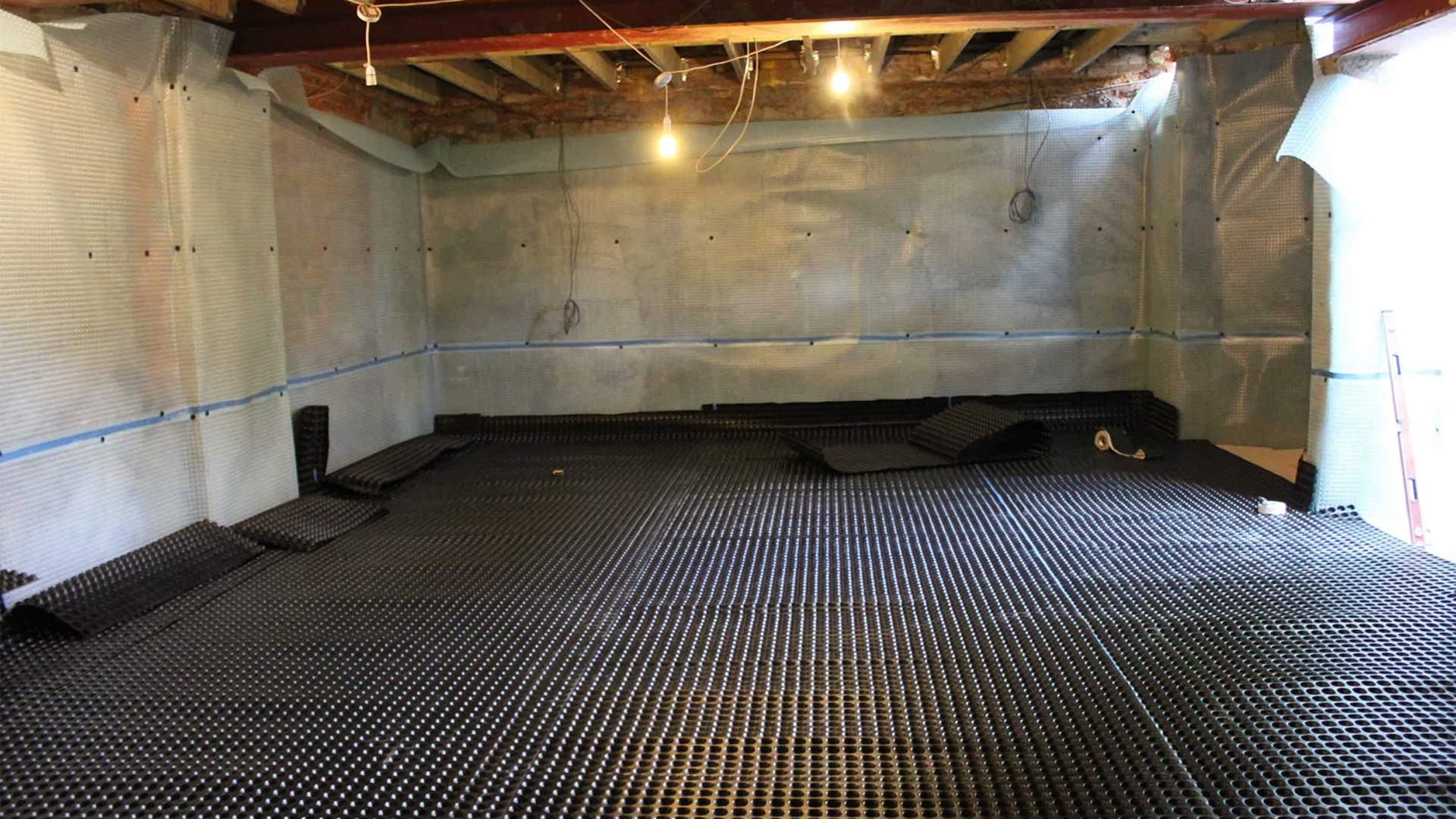
The table tells you a lot, but one thing it cannot tell you is your exact situation. A tighter budget on an internal bathroom points you toward cementitious. A sun-drenched rooftop terrace in a climate with strong temperature swings calls for polyurethane. Waterproofing types for concrete foundations below grade almost always lean toward bituminous coating or membrane depending on the load.
The point is not to find what is the best method for waterproofing in some universal sense. There is no such thing. The best method is the one that matches your surface, your environment, and your budget at the same time.
The Right Method Makes All the Difference
Not every surface needs the same solution, and that is the clearest takeaway from everything covered here. Cementitious works well inside. Bituminous coating and membranes handle below-grade pressure with consistency. Liquid membranes bring flexibility where rigidity would fail. And polyurethane steps in where outdoor exposure and movement demand something tougher. Match the method to the surface, the environment, and the budget, and you are already most of the way there.
If you are dealing with water problems in or around your property, Chris Landscaping & Basement Waterproofing Corp can help. From basement waterproofing systems to property drainage solutions, our work is built around long-term water control, foundation protection, and moisture management that accounts for soil conditions and seasonal rainfall. Call (516) 439-9462 or visit chriswaterproofingcorp.co/waterproofing to learn more about what we offer.
Frequently Asked Questions
1. What is the most effective waterproofing method?
There is no single “best” method. Polyurethane works best for exposed areas, while bituminous systems are stronger for foundations and below-ground use.
2. Which waterproofing method is cheapest?
Cementitious waterproofing is usually the most affordable option due to low material and application costs.
3. Can waterproofing stop all types of leakage?
It can stop most water intrusion, but only if the correct method is used and applied properly for the surface.
4. How long does waterproofing last?
Depending on the method, it can last anywhere from 5 to 15+ years with proper installation and maintenance.
5. Which waterproofing is best for roofs?
Liquid waterproofing membranes and polyurethane coatings are most commonly used for roofs, depending on exposure and budget.