Just roll on some waterproof paint. It will seal everything up.” How many times have you heard that one? Or maybe someone told you that waterproofing is only for old houses with cracked foundations. Or that a little dampness in the corner is nothing to worry about. These sound like harmless tips from well meaning friends. They are not.
Waterproofing myths have a way of sounding true because they are simple. A can of paint is easier than excavating your foundation. Blaming an old house is easier than fixing poor drainage. Ignoring a small damp spot is easier than calling a pro. But easy and right are not the same thing.
This blog busts seven myths about waterproofing that could be damaging your home right now. No fluff. Just what you actually need to know before your next leak turns into a disaster.
Myth #1: A Coat of Waterproof Paint Is Enough to Stop Leaks
You have seen the cans on the shelf. “Waterproofing paint.” “Seals basement walls.” “Stops moisture cold.” It sounds like a miracle in a bucket. So you buy it, roll it on, and watch that ugly stain disappear. For a few weeks, you feel like a genius. Then the rain comes back, and so does the stain.
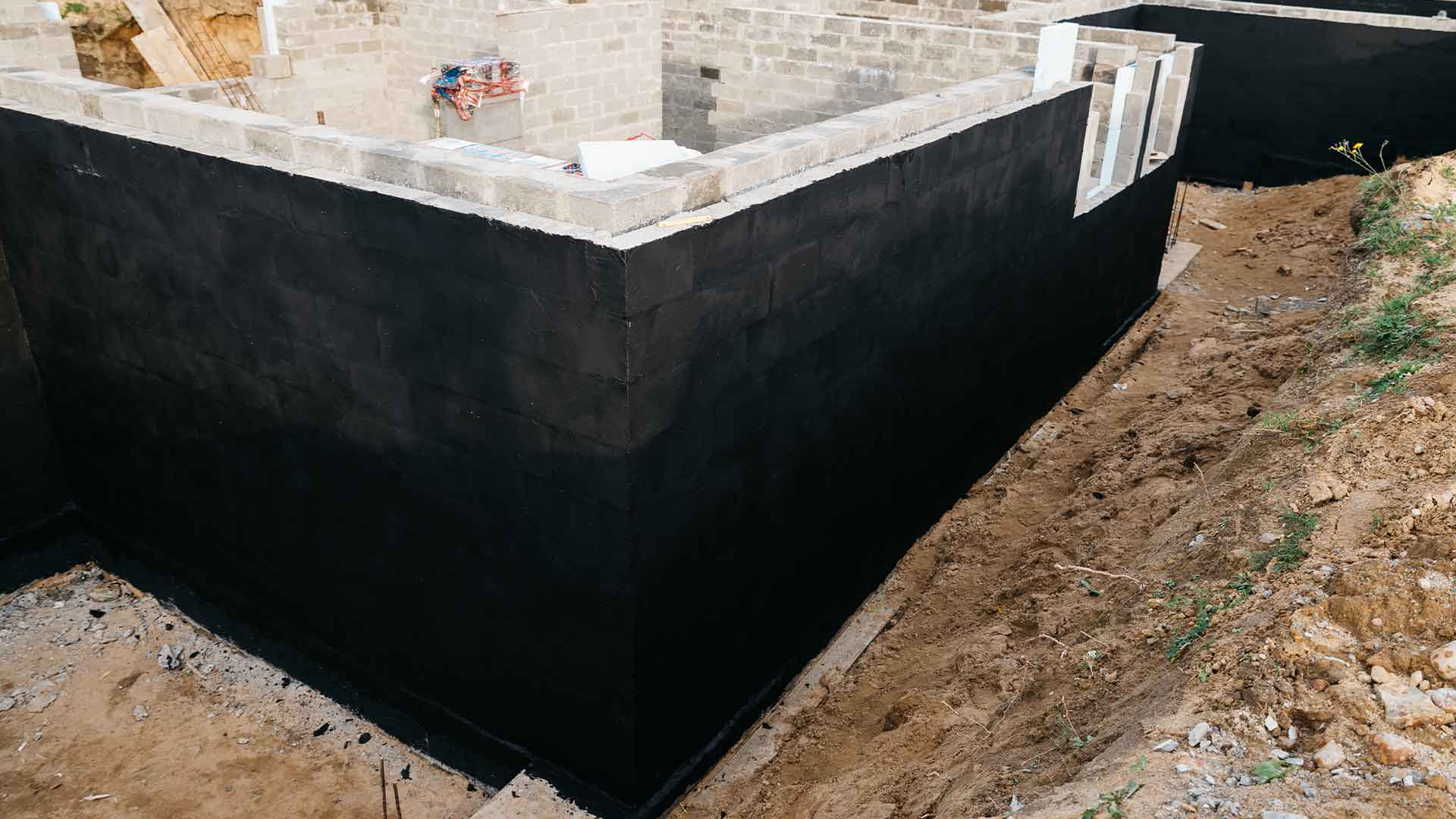
Here is the truth that the paint can does not tell you. Home waterproofing is not a surface job. That paint you just rolled on? It is only as strong as the wall behind it. And when water is pushing against your foundation from the outside, a thin layer of paint does not stand a chance. That pressure, called hydrostatic pressure, will bubble, crack, and peel your miracle paint like a bad sunburn.
Common waterproofing myths homeowners believe start right here. You see a product on a shelf and think it fixes the problem. But paint only treats the symptom. It does not stop the water. It just hides it for a little while. Meanwhile, that water is still finding its way in, rotting wood, growing mold, and weakening your foundation.
Myth #2: Waterproofing Is Only for Old Homes
You just moved into a brand new construction. Everything is fresh. The paint, the floors, the appliances. Surely water problems are something that only happens to old, crumbling houses, right? Not even close.
Basement waterproofing is not about age. It is about physics. Water flows downhill, so if your new house sits at the bottom of a slope, or if the builder skimped on drainage, you are going to have problems. Even brand new foundations can crack as the ground shifts and settles. And once that crack appears, water will find it.
The smartest time to think about waterproofing solutions is before you see a single drop. Inspect your new home’s grading, downspouts, and foundation sealant. A little prevention now saves you from a flooded basement later. Old houses are not the only ones that get wet. New ones just have not had their first leak yet.
Myth #3: You Only Need Waterproofing If You See Standing Water
No puddles on the floor means no problem, right? Wrong. Water damage is a master of disguise. It shows up as a faint musty smell that you cannot quite place. Or a small patch of white powder on your basement wall. Or paint that starts bubbling and peeling for no apparent reason. By the time you see actual standing water, the damage has been working quietly behind your back for months.
Damp proofing is not just for floods. It is for the slow, steady creep of moisture that you never see until it is too late. That hidden moisture rots wood framing, grows toxic mold, and eats away at your foundation. And none of it needs a single puddle on your floor.
If you notice any of these signs, do not wait for a flood. Call someone who can find the source. Waterproofing methods that stop moisture before it becomes a disaster are always cheaper than fixing the rot and mold after they have taken hold.
Myth #4: Waterproofing Is a One-Time Job
You paid for waterproofing once. You should be done forever, right? That is what most homeowners want to believe. But the ground moves, foundations settle, and sealants dry out and crack. The waterproofing that worked perfectly five years ago might have a gap today that you cannot even see.
How long does waterproofing last depends on what was used, who installed it, and what your soil is doing. Some membranes last decades. Others fail in a few years. But even the best systems need maintenance. A crack in your foundation can appear at any time, and that crack is an open door for water.
Think of foundation waterproofing like your roof. You do not replace your shingles once and forget about them. You inspect them, you maintain them, and you fix small problems before they become big ones. Your foundation deserves the same attention.
Myth #5: Waterproofing Is Only for Basements
Your basement is dry, so your whole home must be safe. That is what a lot of homeowners assume. But water does not only attack from below. It comes from above too. Your roof, your bathroom, your balcony, even your exterior walls are all vulnerable. Ignore them and you are inviting trouble.
Roof waterproofing is just as important as sealing your foundation. A small leak in your roof can rot rafters, ruin insulation, and destroy ceilings long before you ever notice a drip. The same goes for bathrooms where steam and splashes slowly soak into walls and floors.
Exterior waterproofing is not just about keeping groundwater out. It is about keeping rain, snow, and humidity from finding every weak spot in your home’s envelope. Water is patient. It will keep looking until it finds a way in. Do not make it easy by only protecting your basement.
Myth #6: DIY Waterproofing Works Just as Well as Professional
You watched a YouTube video and bought a bucket of sealant. How hard can it be? For a tiny crack in a dry wall, maybe you will get lucky. But for real water intrusion, DIY waterproofing is a gamble that almost never pays off. Professionals have tools you have never heard of. Moisture meters that see through walls, industrial grade sealants that actually bond, and years of experience finding leaks that are invisible to the untrained eye.
Is DIY waterproofing effective for a pinhole leak in a place that never gets wet? Sometimes. But for a basement that smells musty or a foundation with recurring damp spots, DIY is just a delay tactic. You will seal one crack while water finds another. You will paint over one stain while mold grows behind the wall.
Professional waterproofing costs more upfront. But it also fixes the actual problem instead of hiding it. The DIY approach saves you a little money today and costs you a lot more tomorrow when the real damage surfaces.
Myth #7: Interior and Exterior Waterproofing Are the Same
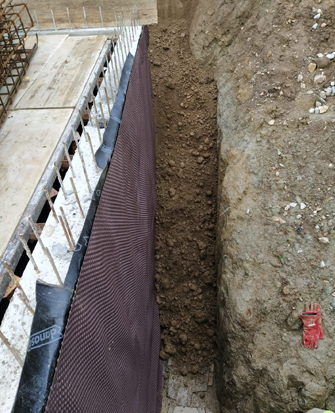
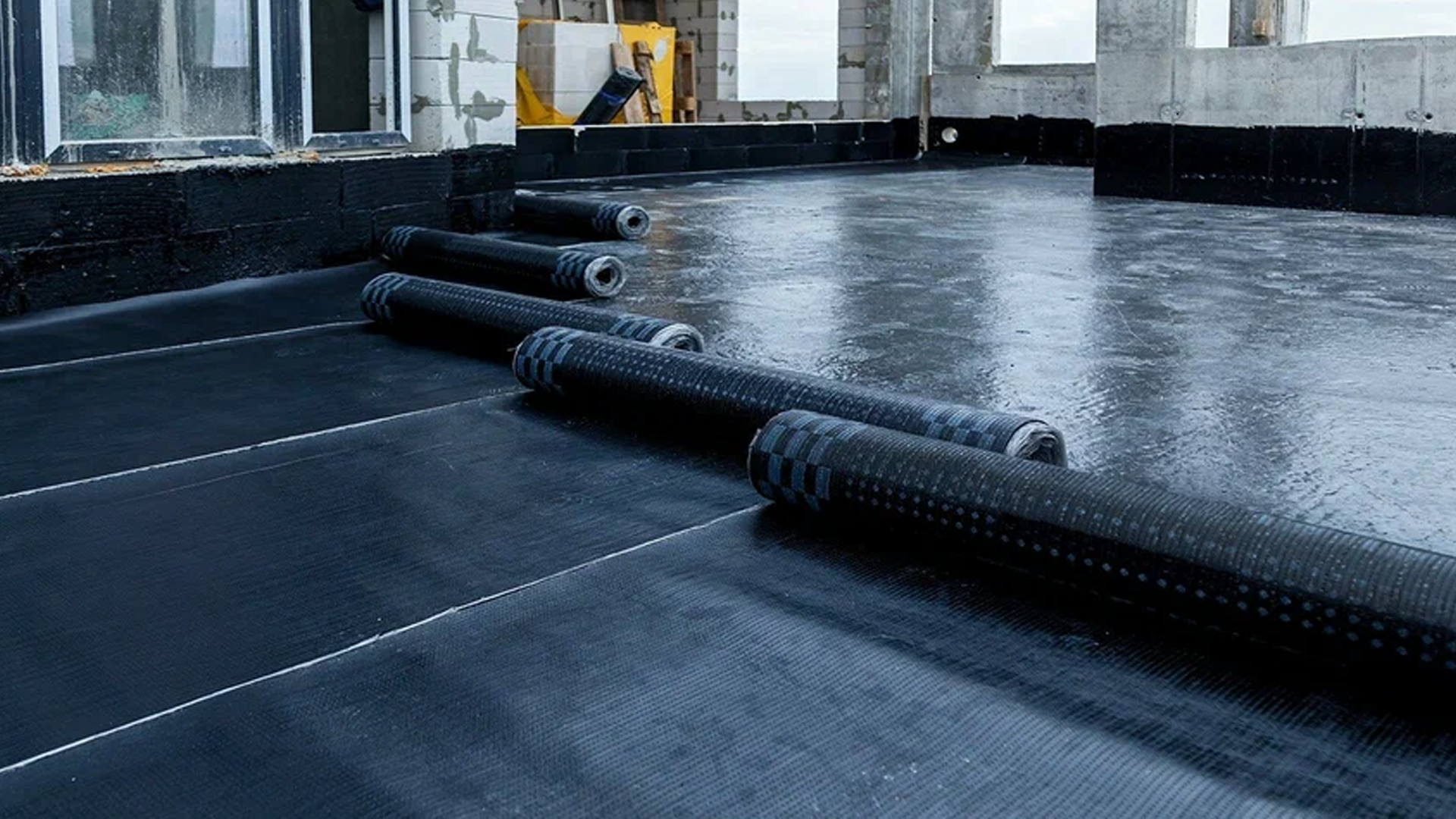
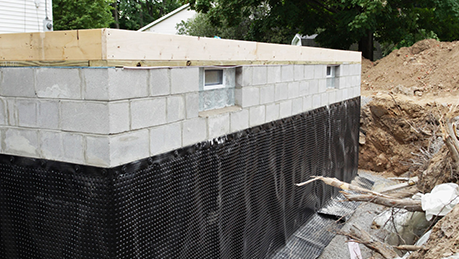
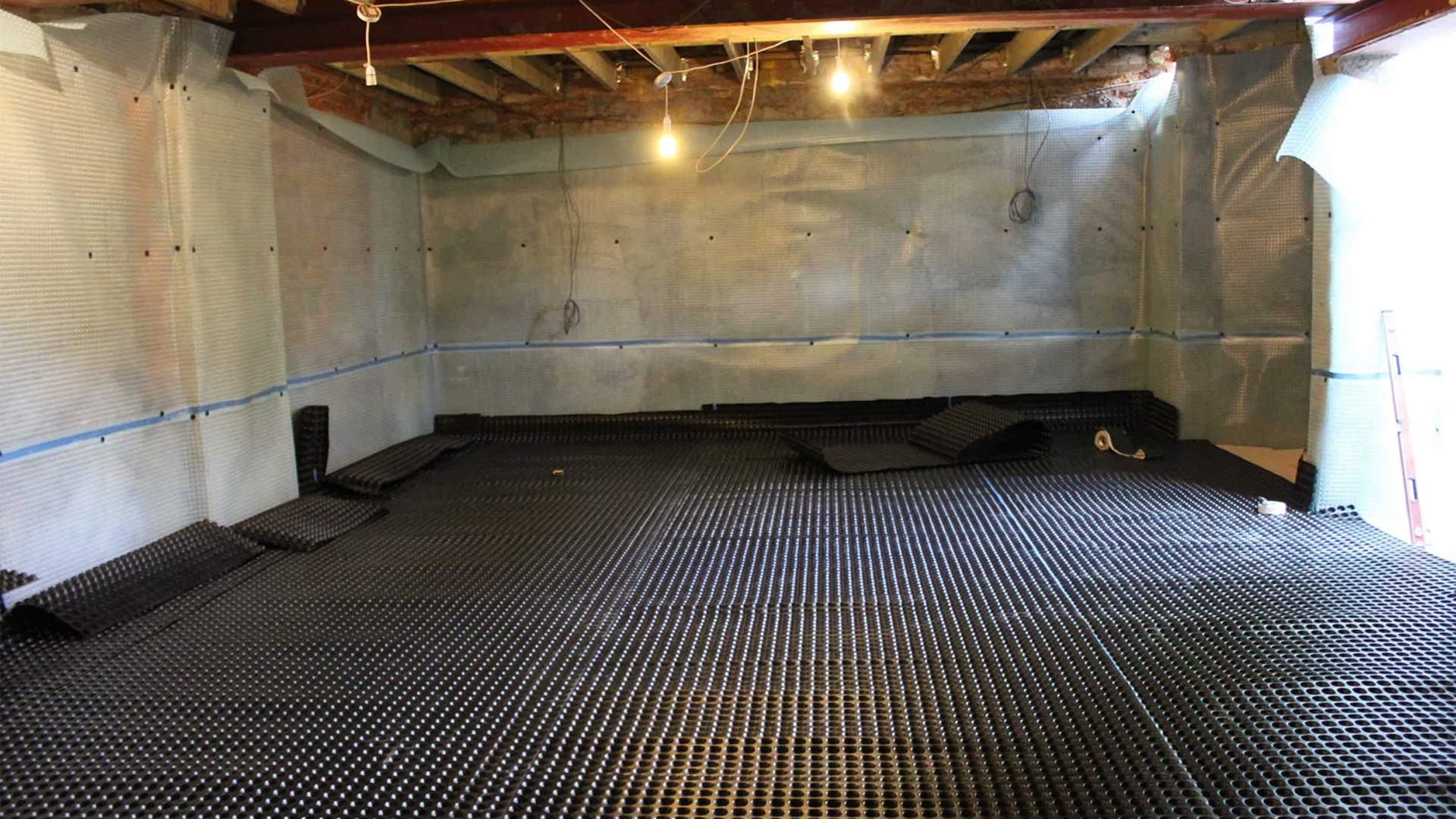
Sealing from the inside feels like it should work. You slap some coating on the wall, and the water stops, at least for a while. But here is the difference that most homeowners never learn. Interior waterproofing manages water that has already entered your home. It is a bucket catching a drip. Exterior waterproofing stops the water before it ever touches your foundation. It is fixing the hole in the roof instead of mopping the floor.
Interior sealants fail over time because they are fighting against constant pressure from the outside. Every freeze and thaw, every heavy rain, every shift in the soil puts stress on that seal. Eventually, it cracks. The water comes back and you are back where you started.
Quick Reference: Waterproofing Myths vs Facts
| Myth | Fact |
| A coat of waterproof paint stops leaks | Paint is a surface fix that fails under hydrostatic pressure. Water will find its way through. |
| Waterproofing is only for old homes | New homes leak too. Poor grading, settling soil, and construction dust clogs can cause water problems from day one. |
| You only need waterproofing if you see standing water | Musty smells, efflorescence, and peeling paint are all warning signs of hidden moisture damage. |
| Waterproofing is a one-time job | Sealants degrade, foundations shift, and membranes crack over time. Regular inspections and maintenance are essential. |
| Waterproofing is only for basements | Roofs, bathrooms, balconies, crawl spaces, and exterior walls all need protection from water intrusion. |
| DIY waterproofing works just as well as professional | DIY works for minor cracks. Professionals have moisture meters, industrial sealants, and experience to fix root causes. |
| Interior and exterior waterproofing are the same | Interior waterproofing manages water that has already entered. Exterior waterproofing stops water before it reaches your foundation. |
Get Your Facts About Waterproofing Right!
If you are tired of chasing leaks and painting over the same stains, let the pros handle it. Chris Landscaping & Basement Waterproofing Corp specializes in waterproofing services, providing complete drainage solutions across New York to help residential and commercial properties control water flow and reduce flooding risks. Call us at (516) 439-9462 or visit to learn more.
Frequently Asked Questions
1. What are the early signs of water damage in a home?
Musty odors, peeling paint, efflorescence, and minor wall discoloration often indicate hidden moisture issues before visible flooding occurs.
2. How effective is basement sealing for long-term protection?
Basement sealing alone is temporary; long-term protection requires proper drainage systems and exterior foundation solutions.
3. When should homeowners consider professional help for moisture issues?
Recurring damp spots, mold growth, or structural cracks signal the need for expert inspection and advanced leak detection tools.
4. Does waterproofing increase property value?
A well-protected structure with proper drainage and moisture control improves resale appeal and prevents costly structural damage.
5. What is the difference between damp proofing and full protection systems?
Damp proofing resists surface moisture, while comprehensive systems prevent water intrusion through drainage, sealing, and pressure control.