Water is seeping into your basement again. You finally decide enough is enough, so you start searching for help, and within minutes you have a dozen company names, a hundred five star reviews, and zero clue who to trust.
Here is the thing. Hiring the wrong waterproofing contractor does not just waste money. It can leave you with the same wet floor six months later, plus a hole in your wallet. So before you sign anything, you need the right questions ready.
In this guide, we walk through ten questions that separate the pros from the pretenders. Ask these, listen closely to the answers, and you will know exactly who deserves the job.
Why Asking the Right Questions Matters
Most homeowners hire based on a friendly handshake and the lowest bid. That is exactly how leaks come back.
A wet basement is rarely a simple patch job. The water is following a path, and only someone who understands that path can stop it for good. So how to choose a waterproofing contractor comes down to one skill: knowing what to ask before the work begins.
The ten questions to ask a waterproofing contractor below are not about catching anyone in a lie. They are about making sure the person you hire actually understands water, your home, and the difference between a quick fix and a real solution.
1. Are You Licensed, Bonded, and Insured?
Start here, because everything else depends on it.
A proper basement waterproofing contractor carries a current license, a bond, and liability insurance. Skip this question and you are gambling. If an uninsured worker gets hurt on your property, or botches the job and floods your finished basement, that bill could land on you.
Here is what you want to confirm:
- A valid contractor license for your state
- General liability insurance that covers property damage
- Workers compensation for anyone on your job site
- A bond that protects you if the work is never finished
Ask for proof, not promises. A solid pro hands over documentation without flinching. Anyone who dodges this question just answered it for you.
2. What Are Your Qualifications and Certifications?
A license proves they are legal. Certifications prove they are good.
When you weigh waterproofing contractor qualifications, you are really asking whether this person has trained beyond the basics. Manufacturers of waterproof products often certify the crews allowed to install them, and that certification usually protects your warranty too.
So what should you look for? Strong waterproofing contractor certifications often include manufacturer training on specific systems, membership in trade associations, and ongoing education in drainage and foundation work. A waterproofing specialist who keeps learning tends to spot problems a generalist misses.
Ask how long they have focused specifically on water issues. A roofer who “also does basements” is not the same as someone who lives and breathes moisture control.
3. Will You Find the Source of the Water, Not Just the Symptom?
This question tells you almost everything.
A wet spot on the floor is a clue, not the problem. Water travels, often entering far from where it finally shows up. Good foundation waterproofing starts with diagnosis: where is the water coming in, and why?
Watch how they answer. A pro will talk about your grading, your gutters, your downspouts, and the pressure pushing against your walls. They will want to inspect during or after rain if possible. Someone who only wants to slap a coating on the wall and leave is selling you six months of dry, not a fix.
Here is a simple test you can use. Ask, “What is causing my water problem?” If the answer is specific to your home, you have a thinker. If the answer is a sales pitch, keep looking.
4. Do You Offer Interior and Exterior Solutions?
Not every leak is fixed the same way, and that is the point.
Some companies only know one method, so every house magically needs that exact method. A trustworthy waterproofing company offers more than one path, because your home decides the right approach, not their sales script.
Here is a quick way to picture the difference:
| Approach | What It Does | Often Best For |
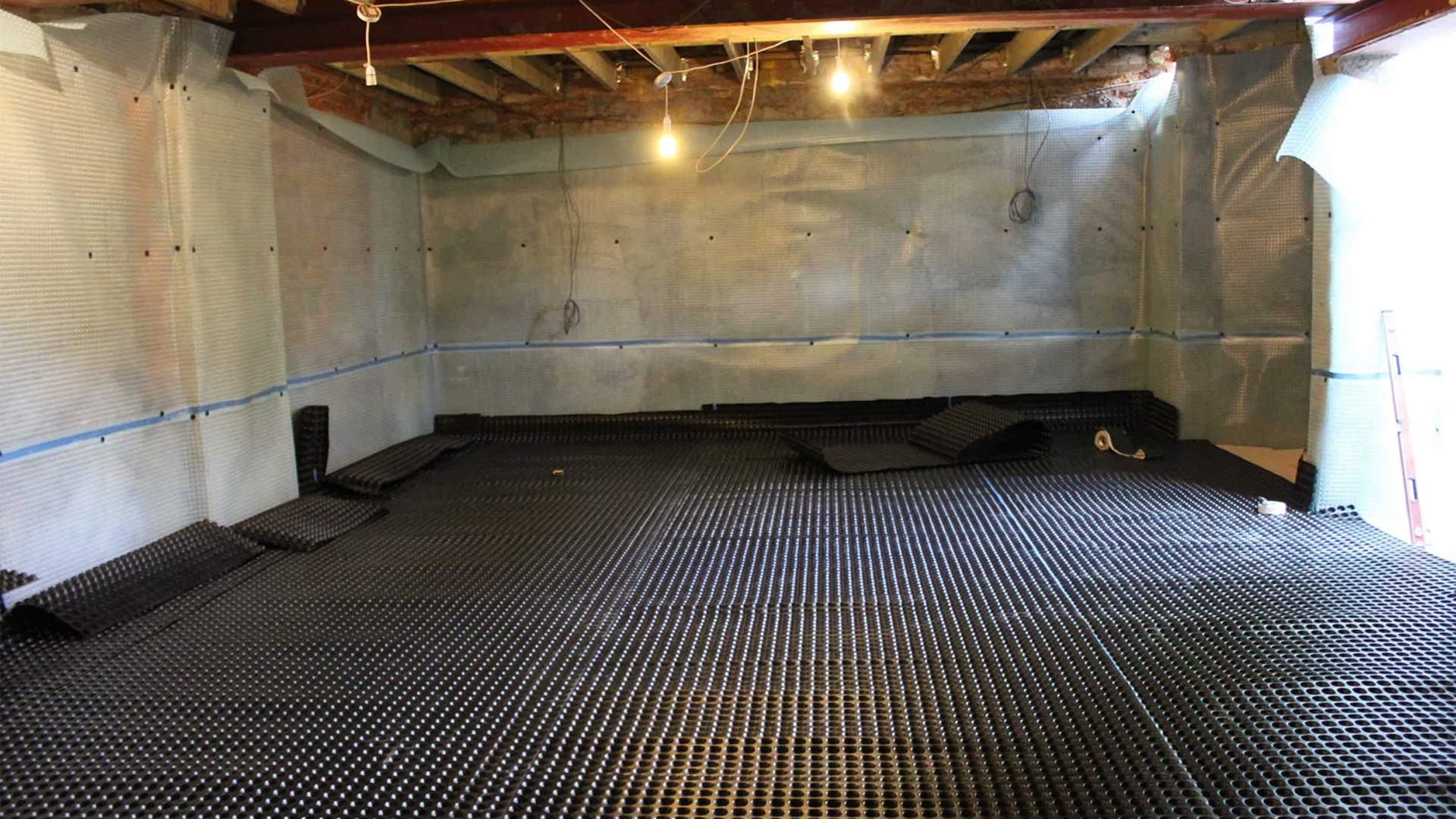
| Interior waterproofing | Manages water that gets in and routes it away | Existing homes, lower cost fixes |
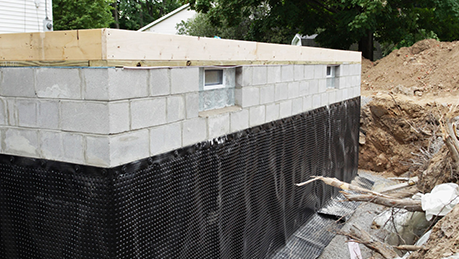
| Exterior waterproofing | Stops water before it reaches the wall | Severe leaks, new excavation projects |
A pro who understands both interior waterproofing and exterior waterproofing can recommend what your situation actually calls for. If they push a single solution before even seeing your basement, that is a flag worth noticing.
5. What Systems and Materials Do You Use?
The materials matter as much as the method.
This is where you learn whether someone keeps up with the trade. Ask which products they install and why. Quality waterproofing services rely on the right material for the right spot, not whatever is cheapest on the shelf.
Listen for these in their answer:
- Sump pump installation with a backup battery for power outages
- French drain installation to collect and redirect groundwater
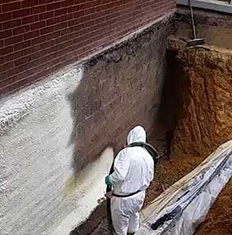
- Waterproof membranes that flex over cracks and below grade walls
- Waterproof coatings matched to your specific surface and substrate
A good clue is how they explain their choices. Someone offering real home waterproofing will tell you why a membrane beats a paint-on product in your situation. Vague answers usually mean a one-size-fits-all install.
6. How Will You Handle Drainage and Water Pressure?
Stopping water is one job. Moving it is another.
Sealing a wall without managing the water around it is like plugging a sink while the faucet runs. Ask how they plan to deal with foundation drainage, since that is what keeps water from constantly testing your walls.
You also want to hear them mention hydrostatic pressure, which is the force of saturated soil pushing groundwater against your foundation. A contractor who understands that pressure will explain how their drainage plan relieves it, instead of just hiding the symptoms.
So ask directly: “Where does the water go after you collect it?” The answer should involve a clear path away from your home, whether that is a drain system, a sump pit, or proper grading. If they cannot trace that path for you, they have not really solved the problem.
7. Can You Provide References and Recent Project Photos?
Anyone can talk a good game. Proof is harder to fake.
Before you commit, ask for references from jobs in the last year, ideally homes with problems like yours. A confident pro shares them happily. Better yet, ask for before and after photos of actual basements, not stock images pulled from a catalog.
Here is what to do with those references:
- Call two or three, not just the one they handpicked
- Ask if the basement stayed dry through heavy rain
- Ask whether the crew showed up on time and cleaned up after
- Ask if the final price matched the estimate
Knowing what makes a good waterproofing contractor often comes down to this kind of track record. Happy past customers are the closest thing you get to a guarantee before the work begins.
8. What Does Your Warranty Actually Cover?
A warranty sounds great until you read the fine print.
Plenty of companies advertise a “lifetime warranty,” then bury exclusions that make it nearly worthless. Before you trust any professional waterproofing promise, ask exactly what the warranty protects and for how long.
Dig into these details:
- Is the warranty transferable if you sell the house?
- Does it cover the labor to fix a failure, or only materials?
- What voids it, and what is excluded entirely?
- Is the company likely to still be around to honor it?
That last point matters more than people think. A twenty year warranty means nothing from a company that disappears in three. Get the warranty in writing, read it twice, and ask about anything that sounds vague.
9. Can I Get a Detailed Written Estimate?
A number scribbled on the back of a business card is not an estimate.
Knowing what to ask before hiring a waterproofing contractor includes demanding a clear, itemized quote. You want to see the scope, the materials, the labor, and the timeline spelled out, so you can compare bids fairly and catch surprises early.
A vague lump sum makes it easy to hide cut corners later. A detailed estimate, on the other hand, shows you exactly what you are paying for. Use this short waterproofing contractor checklist when you read the quote:
- Specific work to be done, room by room or wall by wall
- Materials and systems named, not just “waterproofing”
- A start date and a realistic completion window
- Payment schedule, with most money due after completion
Be wary of anyone demanding full payment upfront. A fair structure protects both of you.
10. Who Will Be on Site, and How Will You Communicate?
The person who sells you the job is often not the person who does it.
Ask who actually shows up. Will it be trained employees or subcontractors you have never met? A clear answer here saves you the headache of strangers tramping through your home with no one accountable.
You also want to know how updates will flow. Things shift mid project, especially once a wall is open. So ask a simple voice-search-style question right out loud: “Who do I call if something changes during the work?” The answer should be a real name and number, not a general voicemail box.
Good communication is quietly one of the biggest signals of a quality crew. A team that keeps you informed before the job tends to keep your basement dry long after it.
Putting It All Together
Ten questions might feel like a lot to throw at someone selling you a service. It is not. You are about to trust this person with the foundation of your home, so a real conversation is more than fair.
Notice how they respond. The right pro welcomes hard questions and answers them in plain language. The wrong one gets defensive, vague, or pushy. That reaction alone tells you most of what you need to know about choosing the right waterproofing company.
Print these questions, bring them to every consultation, and compare answers side by side. The differences will jump out fast.
Final Thoughts
Here is what all ten questions really add up to. A dry basement is not about luck or the cheapest bid. It comes down to hiring someone who understands where your water comes from, how to move it, and how to prove their work holds up over time.
If you are tired of shuffling between contractors, we at Chris Landscaping & Basement Waterproofing Corp. can help you. We provide professional waterproofing and drainage services designed to keep your basement dry and your foundation protected. Call (516) 439-9462 or visit https://chriswaterproofingcorp.co/waterproofing/ to learn more about our waterproofing services.
Frequently Asked Questions
1. How do I choose the right waterproofing contractor?
Look for a licensed, insured contractor with experience, positive customer reviews, clear warranties, and detailed written estimates. Ask about their inspection process and the waterproofing methods they recommend.
2. What questions should I ask before hiring a waterproofing contractor?
Ask about licensing, insurance, certifications, warranties, drainage solutions, materials used, project timelines, references, and who will complete the work.
3. How much does basement waterproofing cost?
The cost depends on the source of the water problem, the size of the basement, and the waterproofing system required. A professional inspection is the best way to get an accurate estimate.
4. Is interior or exterior waterproofing better?
Neither is universally better. Interior waterproofing manages water that enters the home, while exterior waterproofing prevents water from reaching the foundation. The right solution depends on your property’s specific conditions.
5. How long does professional waterproofing last?
A professionally installed waterproofing system can last for many years when quality materials are used and the system is properly maintained. Warranty coverage varies by contractor and installation method.