A flooded basement is one of the last things homeowners want to deal with after a heavy storm. Water entering through foundation walls, basement windows, or floor drains can damage stored belongings, weaken building materials, and leave behind persistent moisture problems. In many cases, the warning signs appear long before significant flooding occurs.
Homes in New York can experience basement water intrusion due to clogged gutters, poor yard drainage, foundation cracks, or overloaded sewer systems. When rainwater collects around a property instead of draining away, it increases the chances of leaks and standing water inside the basement.
Understanding how to prevent basement flooding during heavy rainfall can help you address these problems before they lead to expensive repairs. Regular drainage maintenance, foundation inspections, and suitable waterproofing measures can reduce the risk of flooding and protect your basement during severe weather.
Why Does Your Basement Flood During Heavy Rain?
Basement flooding doesn’t always mean there is a large crack in the foundation. Water can enter through several routes, and each requires a different solution.
Water Collecting Around the Foundation
When rainwater cannot drain away from a house, it may collect beside the foundation walls. As the surrounding soil becomes saturated, water pressure increases. This can force moisture through cracks, joints, and other openings in basement walls.
Poor Drainage Around the Property
Blocked gutters, damaged downspouts, low areas in the yard, and poorly positioned drainage systems can direct rainwater toward the house. If water repeatedly collects near the foundation, basement seepage may become more frequent.
Cracks and Gaps in Basement Walls
Small openings around foundation walls, floor joints, utility pipes, and basement windows can allow water to enter. Some cracks are minor, while others may indicate foundation movement or structural problems.
Sewer Backups During Intense Storms
Heavy rainfall can overwhelm drainage and sewer systems in some New York communities. When wastewater cannot flow through the system properly, it may back up through basement floor drains, toilets, or other plumbing fixtures. This type of flooding requires a different preventive approach than groundwater seepage.
Keep Rainwater Away From Your Home’s Foundation
One of the most effective ways to reduce basement water problems is to prevent rainwater from collecting beside the house. Several exterior maintenance tasks can help improve drainage before a storm.
Clean Gutters and Inspect Downspouts
Leaves, dirt, and other debris can block gutters and prevent rainwater from draining properly. When gutters overflow, water may fall directly beside foundation walls. Inspect gutters regularly, especially before periods of heavy rainfall.
Check for:
- Leaves and debris blocking water flow.
- Loose or damaged gutter sections.
- Leaking joints.
- Clogged or disconnected downspouts.
- Water collecting near downspout outlets.
Downspouts should discharge water to an appropriate location away from the foundation. In New York City, downspout connections and stormwater discharge must comply with applicable local requirements. Avoid directing runoff onto sidewalks, neighboring properties, or into prohibited sewer connections.
Correct Uneven Ground Around the House
Does water collect in puddles beside your basement walls after every storm? The ground may be sloping toward the foundation instead of allowing runoff to move away. Over time, soil can settle, creating low areas where water accumulates. Correcting these drainage problems may involve adjusting the grading, repairing affected paved surfaces, or installing suitable landscape drainage. A property assessment can help determine where runoff is collecting and which changes are appropriate.
Check Basement Windows and Exterior Stairways
Below-ground windows and basement entrances are vulnerable when rainwater collects around them. Blocked window well drains, damaged seals, and stairways that direct water toward a basement door can allow runoff to enter. Keep window wells free of leaves and debris. Inspect exterior door seals and check whether stairwell drains are working properly. If water repeatedly collects in these areas, drainage improvements may be needed.
Inspect Your Foundation Before Small Leaks Become Bigger Problems
Water stains on basement walls may appear harmless at first. However, repeated moisture can damage finishes, affect stored belongings, and contribute to mold growth. Inspecting the foundation before heavy rainfall can help identify potential entry points.
Look for Cracks and Damp Areas
Walk around the basement and check for visible changes.
Pay attention to:
- Cracks in concrete or masonry walls.
- Damp patches near floor joints.
- Water stains below basement windows.
- Moisture around utility pipe openings.
- Peeling paint or damaged wall finishes.
- White, powdery deposits on masonry surfaces.
White deposits, commonly called efflorescence, can indicate that moisture has moved through masonry. These signs don’t always reveal the exact source of the problem, but they can help identify areas that need closer inspection.
Repair Foundation Cracks Properly
Not every crack requires the same repair method. Some nonstructural cracks may be suitable for specialized sealing materials. Others may need additional evaluation, particularly if they are widening, leaking repeatedly, or associated with wall movement. Simply covering a crack with paint or surface sealant may not address the water pressure behind it. For recurring leaks, the surrounding drainage conditions should also be investigated.
Consider Basement Waterproofing for Recurring Water Intrusion
If your basement becomes damp after nearly every major storm, ordinary maintenance may not be enough. Basement waterproofing in New York can involve several methods, depending on the foundation condition and the source of moisture.
Exterior Foundation Waterproofing
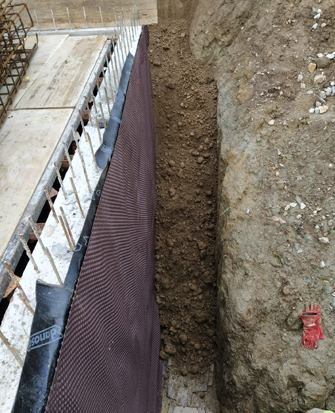
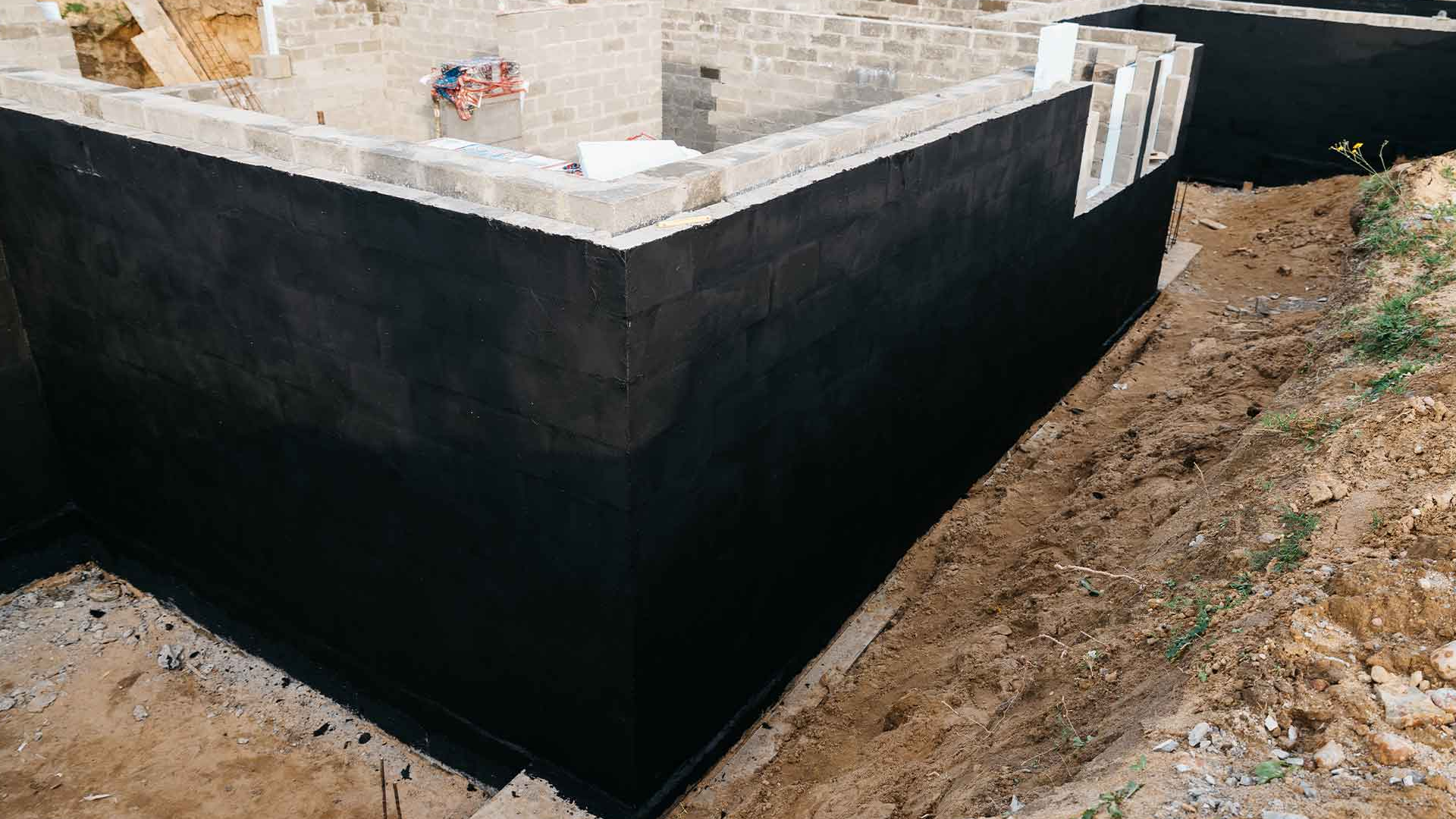
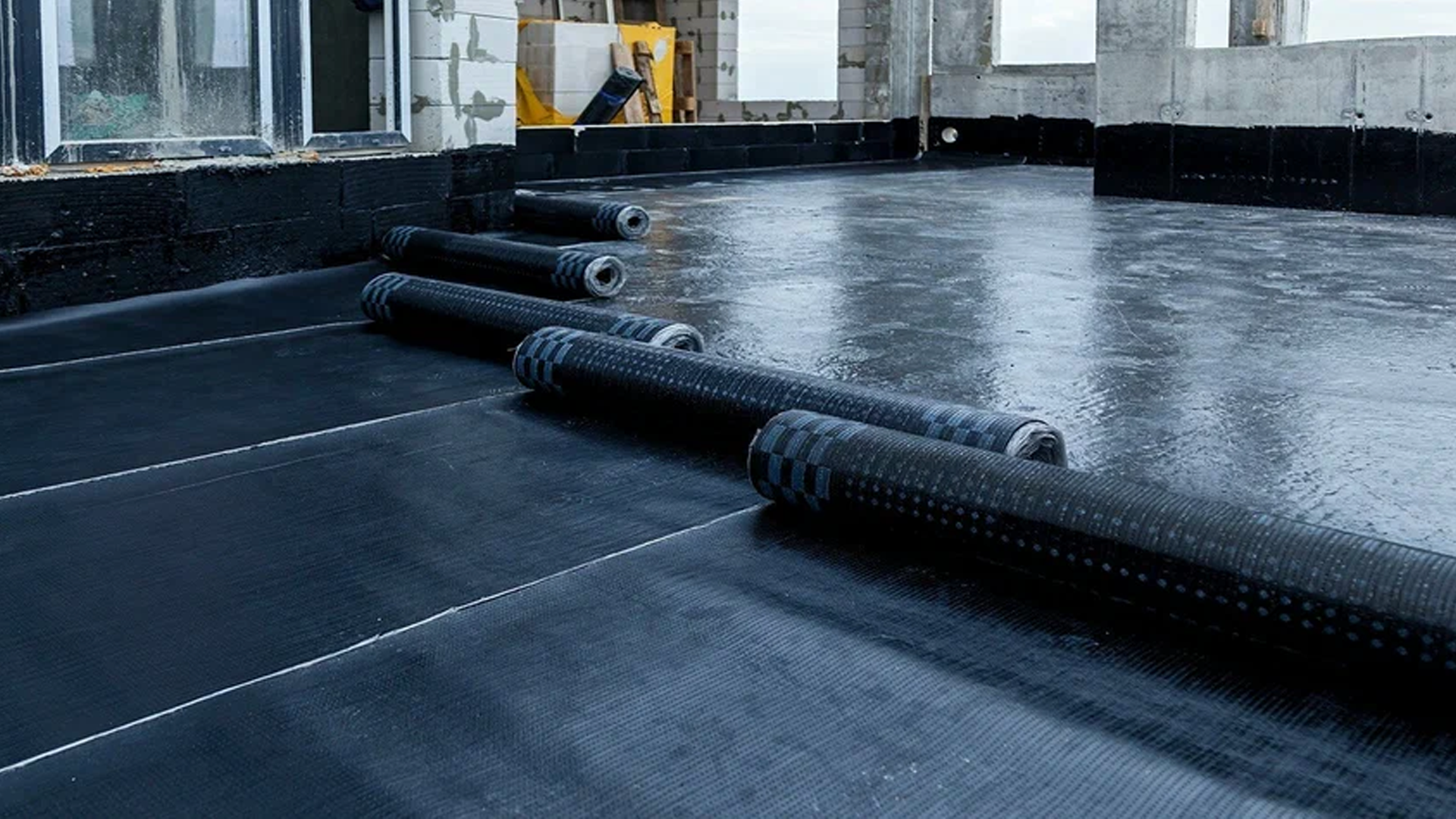
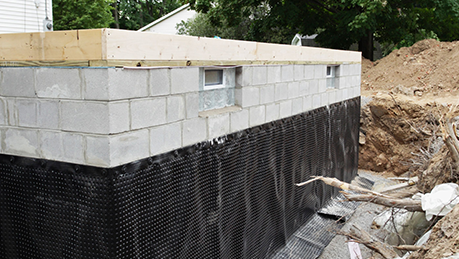
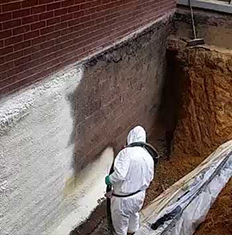
Exterior waterproofing is intended to limit water penetration from the outside of foundation walls. Depending on the property, work may involve exposing affected foundation areas, repairing defects, applying appropriate waterproofing materials, and improving exterior drainage. This approach can be useful when water repeatedly enters through below-ground walls. However, the correct system depends on the foundation material, surrounding soil, accessibility, and drainage conditions.
Interior Basement Drainage
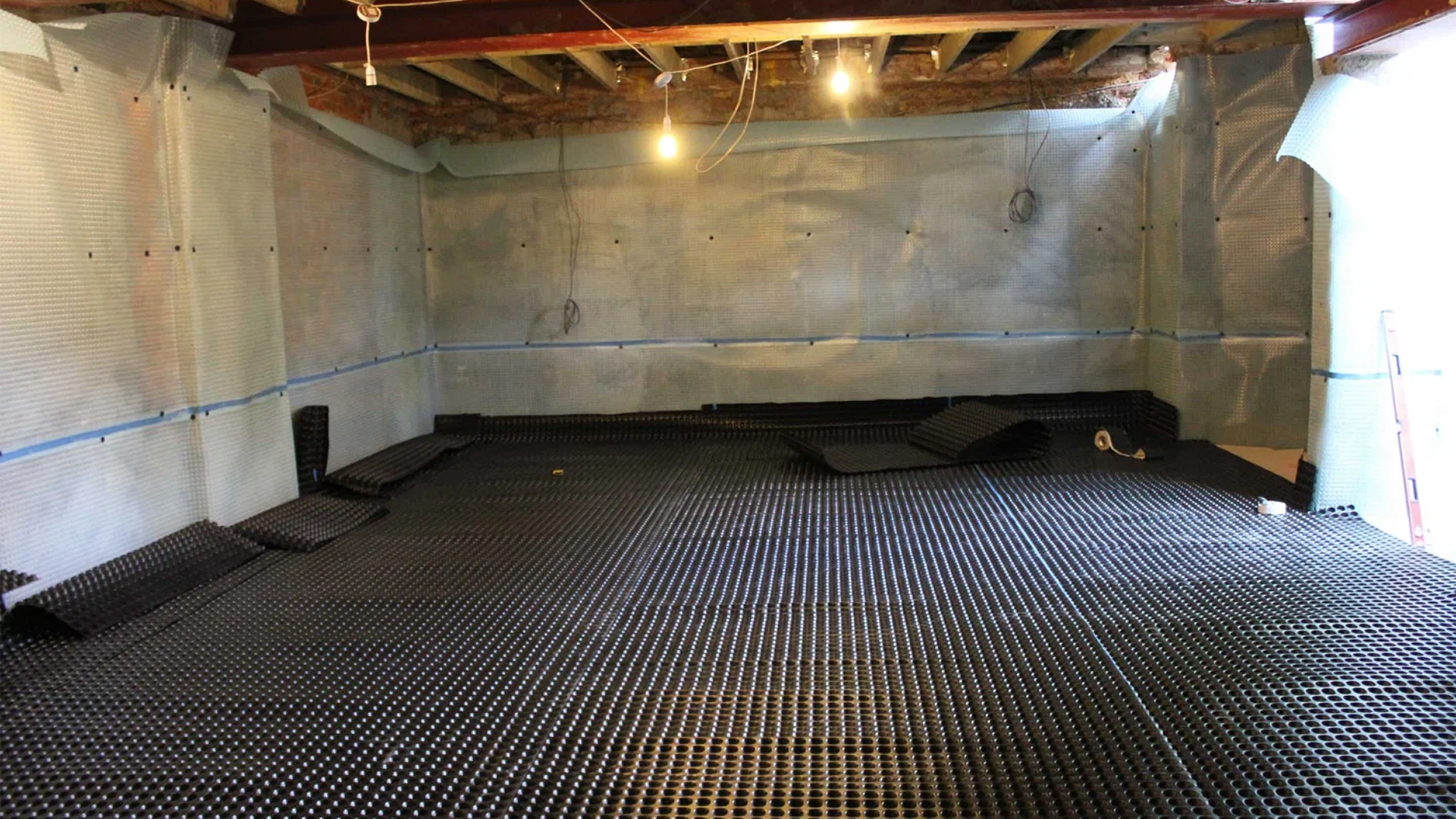
Some properties experience water seepage near the joint where basement walls meet the floor. An interior drainage system may collect incoming groundwater and direct it toward a sump pit. This can help manage water that reaches the foundation, although it does not necessarily prevent moisture from entering the wall itself.
French Drains for Water Management
A French drain is designed to collect and redirect water through a drainage trench, often containing gravel and a perforated pipe. Depending on the property, it may be installed in the yard, near the foundation, or as part of an interior drainage system. The drainage system must lead to a suitable discharge location. Installing a drain without considering where the water will go can create additional problems.
Protect Your Basement With a Working Sump Pump
A sump pump can be useful in basements where groundwater collects beneath or around the foundation. Water enters a sump pit, and the pump moves it to an approved discharge location. However, a sump pump is only effective when it is functioning properly and has enough capacity for the conditions.
Test the Pump Before Storms
Don’t wait until the basement begins flooding to discover that the pump isn’t working. Follow the manufacturer’s testing instructions and check that the float mechanism operates correctly. Inspect the discharge pipe for visible blockages or damage. If the pump makes unusual noises, cycles excessively, or fails to remove water, have it evaluated.
Plan for Power Outages
Heavy storms can cause electrical outages. A sump pump that relies entirely on household electricity may stop working when it is needed most. A compatible battery backup system or secondary pump may provide additional protection. Water alarms can also notify occupants when moisture or rising water is detected. Remember that sump pumps primarily manage collected water. They do not prevent every type of basement flooding, particularly sewage backups or water entering rapidly through exterior doors.
Don’t Ignore the Risk of Sewer Backups
Not all basement flooding comes through walls or windows. During intense rainfall, overloaded or obstructed sewer systems can cause wastewater to return through basement plumbing fixtures. Water rising through a floor drain or toilet may indicate a sewer backup rather than an exterior waterproofing problem.
Ask About Backwater Valves
A backwater valve is designed to reduce reverse flow through a building’s sewer connection. When wastewater begins moving in the wrong direction, the valve closes to help prevent it from entering the property. However, a backwater valve is not appropriate for every plumbing arrangement. A qualified plumbing professional should evaluate the building’s sewer connections and applicable local requirements before installation.
Maintain the Valve After Installation
Backwater valves need periodic inspection and maintenance. Debris can interfere with their operation, and a valve that does not close properly may fail to prevent a backup. When a valve closes during a sewer surcharge, wastewater from connected household fixtures may also be unable to leave the building. Avoid using affected toilets, showers, sinks, and washing machines while the valve is closed. For New York homeowners, understanding this limitation is important before relying on a backwater valve for flood prevention.
Improve Outdoor Drainage Before the Next Storm
Basement waterproofing and exterior drainage often need to work together. If large amounts of rainwater continue collecting around the house, water intrusion may persist despite repairs to individual cracks.
Reduce Water Pooling in the Yard
Inspect areas where water remains after rainfall. Low spots, compacted soil, and poorly positioned paved surfaces can prevent runoff from moving away. Depending on the property, possible improvements may include grading corrections, drainage channels, or appropriate underground drainage systems.
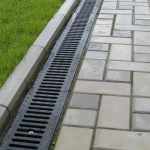
Keep Outdoor Drains Clear
Remove leaves and loose debris from accessible yard drains and drainage grates. Check that outdoor stairwell drains are not blocked. In New York City, clogged or damaged public catch basins can be reported through 311. Never lift street grates, enter drainage structures, or approach moving floodwater to remove debris.
Consider Landscaping That Manages Runoff
Landscaping can influence how rainwater moves across a property. Planted areas, suitable drainage features, and carefully positioned hardscaping may help reduce water accumulation. However, landscape improvements should be designed around existing drainage conditions. Directing water away from one section of the yard should not create flooding near another building.
Warning Signs Your Basement Needs Professional Attention
Some basement moisture problems develop gradually. Others appear suddenly during intense rainfall. Knowing the warning signs can help you arrange repairs before more serious water damage occurs.
Water Returns After Every Storm
Repeated seepage suggests that an underlying drainage or foundation problem has not been corrected. Drying the basement after each storm does not prevent the next leak.
Dampness Along the Wall-Floor Joint
Moisture appearing where the floor meets the foundation wall may be associated with groundwater pressure or drainage defects. A professional inspection can help identify the source.
Musty Odors and Damaged Finishes
Persistent moisture may contribute to mold growth, peeling paint, and deterioration of certain building materials. The moisture source should be addressed before damaged finishes are replaced.
Visible Foundation Movement
Large cracks, bowing walls, or noticeable changes in foundation alignment require prompt evaluation by an appropriately qualified professional. Waterproofing materials alone cannot correct structural movement.
Water Entering Through Basement Drains
If wastewater rises through plumbing fixtures, contact a qualified plumber. This may indicate a blocked sewer connection or a sewer backup rather than a leaking foundation.
For recurring groundwater seepage and exterior drainage problems, Chris Landscaping & Basement Waterproofing Corp is a company homeowners in New York can contact to discuss basement waterproofing and landscaping-related drainage concerns. Identifying the source of the water is an important first step before deciding which repairs are appropriate.
What to Do Before Heavy Rain Reaches New York
Storm preparation doesn’t have to involve major construction work. Several practical checks can reduce avoidable problems.
Before the Storm
- Remove debris from gutters and accessible outdoor drains.
- Check downspouts for blockages and proper discharge.
- Inspect basement windows, doors, and visible foundation cracks.
- Test the sump pump according to its instructions.
- Move valuable belongings and electrical items above basement floor level.
- Check weather alerts and make sure household members know the safest exit routes.
- Review your insurance policy for flood and sewer-backup coverage.
During Heavy Rainfall
Monitor conditions from a safe location. Do not enter standing basement water if electrical equipment, outlets, or wiring may be submerged. Never attempt to operate wet electrical equipment. If floodwater is rising or an exit may become blocked, leave the area while it is safe and follow local emergency instructions. People living in basement or cellar apartments should pay particular attention to flash flood warnings because rising water can quickly block exits.
After the Rain Stops
Check for water damage only when the area is safe to enter. Photograph visible damage for insurance documentation. If sewage is present, avoid direct contact and arrange appropriate cleanup. Before repairing damaged walls or flooring, determine where the water entered. Replacing materials without correcting the moisture source may lead to repeated damage.
Does Homeowners Insurance Cover Basement Flooding?
Insurance coverage depends on the cause of the water damage and the terms of the policy. Standard homeowners insurance generally excludes flooding caused by rising surface water. Sewer backups may require separate coverage or an endorsement. Flood insurance is available through the National Flood Insurance Program and some private insurers, but basement coverage can have specific limitations.
Review your policy for:
- Flood-related exclusions.
- Sewer and drain backup coverage.
- Basement contents limitations.
- Deductibles.
- Waiting periods for new coverage.
Don’t assume that all water damage is covered simply because the property has homeowners insurance.
Contact your insurance provider to confirm the protection available for your property.
Frequently Asked Questions
Why does my basement flood only when it rains heavily?
Heavy rainfall can saturate the soil around your foundation, increase groundwater pressure, and overwhelm drainage systems. Water may then enter through cracks, wall-floor joints, basement openings, or plumbing connections. Identifying the entry point helps determine the appropriate repair.
Can waterproofing basement walls stop flooding?
Waterproofing can help reduce water intrusion through foundation walls, but it may not resolve flooding caused by sewer backups, poor surface drainage, or water entering through doors and windows. Some properties need drainage improvements alongside waterproofing work.
Will a sump pump prevent all basement flooding?
No. A sump pump can remove water collected in a sump pit, but it cannot prevent every source of flooding. It also depends on proper maintenance, adequate capacity, and a working power supply.
How can I prevent sewage from backing up into my basement?
A properly selected and installed backwater valve may help reduce sewer backup risk. Regular plumbing maintenance is also important. A qualified plumber should assess the building’s drainage arrangement and determine whether a valve is suitable.
Does homeowners insurance cover basement flooding in New York?
Standard homeowners insurance generally does not cover damage from rising floodwater. Separate flood insurance may be necessary, while sewer backups may require additional coverage. Review your policy with your insurer to understand the exclusions and limitations.
Protect Your Basement Before the Next Heavy Rain
Basement flooding often begins with problems that are easy to overlook, such as clogged gutters, poor yard drainage, small foundation openings, or a sump pump that hasn’t been tested. Taking action before a storm can reduce the risk of water entering your home. Inspect the foundation, maintain drainage systems, and address recurring leaks rather than waiting for another flood.
For properties in New York, appropriate basement waterproofing and drainage solutions can help manage water around the foundation and reduce repeated moisture problems. The most effective approach begins with finding the source of the water and selecting repairs suited to the property’s conditions.