Water collecting in your backyard after every storm isn’t something you should ignore. You may notice soggy grass, muddy patches along walkways, or puddles forming beside your home’s foundation. Sometimes, the water disappears within a few hours. Other times, it stays for days and makes parts of your property difficult to use. For homeowners in New York, poor outdoor drainage can contribute to soil erosion, damaged landscaping, foundation moisture, and basement water intrusion. The problem may come from compacted soil, improper yard grading, clogged downspouts, or rainwater flowing from higher ground. Choosing the best outdoor drainage solutions for homes depends on how water moves across your property. Some problems require simple surface drainage improvements, while others need underground drainage pipes, French drains, or a complete yard drainage system.
What Causes Poor Drainage Around Residential Properties?
Before deciding on a drainage installation, examine where the excess water originates. Several conditions can contribute to standing water around a house.
Poor Yard Grading
When the ground slopes toward your home, rainwater naturally travels toward the foundation. Low spots can also trap runoff and leave sections of the lawn saturated long after rainfall stops.
Compacted or Clay-Heavy Soil
Soil with poor infiltration capacity absorbs water slowly. Once the ground becomes saturated, additional rainfall may remain on the surface rather than draining into the soil.
Blocked Gutters and Downspouts
Roof runoff can create significant water buildup when gutters overflow or downspouts release water directly beside foundation walls.
Large Paved Areas
Concrete driveways, patios, and walkways prevent much of the rainfall from entering the ground. Without suitable surface water drainage, runoff may flow toward garages, basement entrances, or landscaped areas.
Underground Drainage Problems
Damaged pipes, blocked outlets, or poorly installed drainage systems can also cause recurring puddles. Identifying these conditions helps determine which residential drainage solutions may be appropriate.
1. French Drain Installation for Saturated Soil
A French drain is designed to collect water moving through the ground and redirect it away from problem areas. The system usually consists of a trench filled with drainage gravel and a perforated pipe. Water enters the trench and travels through the pipe toward an appropriate discharge point.
When Is a French Drain Useful?
French drains may be suitable for properties with:
- Waterlogged lawns after heavy rainfall.
- Persistent wet patches near landscaping.
- Groundwater collecting around foundation walls.
- Saturated soil along retaining walls.
- Recurring moisture near basement walls.
A properly designed French drain needs suitable pipe placement, trench depth, drainage slope, and an approved outlet. The surrounding soil conditions also affect how quickly water reaches the system. French drain installation in New York may be worth considering when water remains trapped beneath the surface rather than flowing across the lawn. However, French drains are not always the best option for rapid runoff across paved areas.
2. Yard Grading and Regrading to Correct Water Flow
One of the most important parts of outdoor water management is the direction of the ground slope. If rainwater moves toward your house instead of away from it, the property may need grading corrections. Yard grading involves shaping the ground so surface runoff follows a suitable drainage path.
Signs Your Yard Needs Regrading
You may need to investigate the grading when:
- Rainwater collects against the foundation.
- The lawn has visible depressions.
- Soil erosion develops after storms.
- Water flows toward basement doors.
- Patios or walkways slope toward the building.
- Puddles repeatedly form in the same locations.
Regrading may involve adding or removing soil, reshaping low areas, and correcting the slope around affected sections. For some properties, yard grading and drainage improvements can reduce standing water without requiring extensive underground piping. However, the new slope must direct runoff toward a suitable location without affecting neighboring properties.
3. Catch Basin Installation for Standing Water
A catch basin collects surface water through a grate and directs it into a connected drainage pipe. It is commonly installed where runoff naturally collects, such as low sections of a lawn or paved area.
Where Catch Basins Work Best
A catch basin may help manage:
- Backyard puddles.
- Standing water near patios.
- Runoff collecting along walkways.
- Water buildup in paved courtyards.
- Surface water flowing into low landscape areas.
The basin should be positioned where water can reach it through the surrounding ground slope. The connected pipe must carry water toward an appropriate drainage outlet. Catch basin installation can be useful for localized surface water problems, but it may not resolve groundwater seepage beneath the lawn. Regular cleaning is also necessary because leaves, soil, and debris can obstruct the grate.
4. Channel Drains for Driveway and Patio Drainage
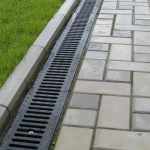
Water flowing across a driveway can collect near garage doors or enter low-lying sections of the property. A channel drain, also called a trench drain, is designed to intercept this surface runoff. The system consists of a narrow drainage channel with a protective grate installed across or alongside the affected paved area.
Common Channel Drain Locations
Channel drains are often used for:
- Driveway drainage.
- Garage entrances.
- Patio drainage.
- Outdoor walkways.
- Basement stairwell entrances.
- Paved areas with recurring water buildup.
These drains collect water before it reaches vulnerable sections of the property. A suitable underground drainage connection is necessary to move the collected runoff away. For homes with sloped driveways, a properly positioned channel drain may be more effective than installing a French drain beneath nearby landscaping.
5. Downspout Extensions and Gutter Drainage
A large amount of rainwater can flow from your roof during a storm. When gutters are blocked or downspouts discharge too close to the house, this runoff can collect around the foundation. Over time, repeated moisture exposure may contribute to basement seepage and erosion around the building.
Improve Roof Water Drainage
Start by checking:
- Clogged gutters.
- Loose downspout connections.
- Damaged gutter sections.
- Leaking joints.
- Blocked underground downspout pipes.
- Water pooling near downspout outlets.
Cleaning gutters and repairing damaged components can improve roof drainage. Downspout extensions or properly designed underground downspout drainage may also help move water away from the foundation. In New York City, downspout arrangements must comply with local drainage requirements. Roof runoff should not be discharged onto neighboring properties, sidewalks, or into prohibited sewer connections.
6. Swales for Managing Rainwater Runoff
A swale is a shallow channel shaped into the landscape to guide surface water along a planned route. Unlike an underground drainage pipe, a swale manages water above ground. Some swales use grass and other vegetation, while others include rock or gravel to reduce erosion.
Where Swales Can Help
Swales may be appropriate when:
- Water flows downhill across the yard.
- Runoff washes soil away from planting beds.
- Large lawn areas need a controlled drainage path.
- Surface water moves toward a patio or building.
- Water needs to be redirected around landscaped areas.
Vegetated swales can slow runoff and allow some water to infiltrate where soil conditions permit. A dry creek bed is a related landscaping feature that uses stones to guide runoff while creating a natural appearance. These landscape drainage solutions require enough space and an appropriate slope. They should not direct concentrated water toward foundations or neighboring properties.
7. Rain Gardens for Natural Stormwater Management
A rain garden is a shallow landscaped area designed to collect and temporarily hold runoff. It typically contains plants selected for the site’s soil and moisture conditions. Rainwater enters the garden and gradually infiltrates into the ground when the underlying soil can absorb it.
Benefits of Rain Gardens
A suitable rain garden may:
- Reduce some surface runoff.
- Collect water from approved roof drainage areas.
- Support landscaped planting areas.
- Reduce minor water pooling.
- Help manage stormwater on residential properties.
However, a rain garden is not suitable for every yard. Soil infiltration, groundwater depth, available space, and distance from the foundation must be evaluated. A rain garden should not be installed where collected water could increase moisture around basement walls. For New York homeowners interested in natural drainage improvements, rain gardens may be an option when property conditions support infiltration.
8. Permeable Pavers for Better Surface Drainage
Traditional concrete and asphalt surfaces shed much of the rainwater that falls on them. Permeable paving systems are designed to allow water to pass through the surface into specially constructed layers below. Depending on the system, water may infiltrate into the soil or move through an underdrain.
Where Permeable Paving Is Useful
Permeable pavers may be considered for:
- Residential driveways.
- Patios.
- Garden walkways.
- Outdoor seating areas.
- Selected parking spaces.
The installation requires a suitable base, appropriate drainage design, and regular maintenance. Clogged joints or sediment buildup can reduce water movement through the surface. Permeable paver installation may help manage runoff from paved areas, but it does not automatically resolve standing water caused by high groundwater or foundation drainage problems.
9. Dry Wells for Underground Stormwater Collection
A dry well is an underground structure that temporarily stores collected rainwater. The stored water gradually enters the surrounding soil when infiltration conditions are suitable. Dry wells may receive runoff from downspouts or other approved drainage connections.
What to Check Before Installing a Dry Well
Several factors affect whether a dry well will work:
- Soil infiltration rate.
- Seasonal groundwater conditions.
- Available underground space.
- Distance from the house.
- Drainage volume.
- Underground utilities.
- Local stormwater requirements.
A dry well installed in poorly draining soil may remain full and fail to collect additional runoff. This is why soil assessment and proper sizing are important before installation.
How to Choose the Right Yard Drainage System
Not every drainage method is suitable for every property. The right solution depends on whether the problem involves surface runoff, saturated soil, roof drainage, or water collecting near the foundation.
For Standing Water in the Backyard
First, determine whether the water collects in a low spot or remains because the soil drains slowly. Catch basins, grading corrections, French drains, or swales may be worth evaluating.
For Water Pooling Around the Foundation
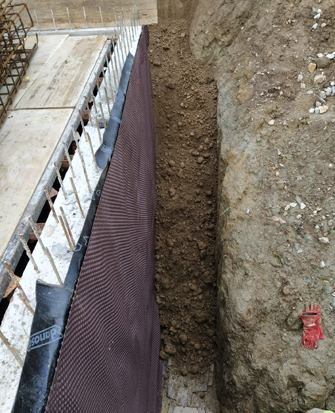
Inspect downspouts and the slope of the ground. If water continues collecting near basement walls, exterior foundation drainage or waterproofing may also be necessary.
For Soggy Lawns
A French drain may help collect subsurface water if there is a suitable discharge route. However, compacted soil and grading problems may need to be addressed separately.
For Driveway Flooding
Channel drains and grading corrections may help intercept water moving across paved surfaces.
For Soil Erosion
Swales, dry creek beds, and suitable landscaping improvements may help guide runoff along a controlled path. For complex properties, a combination of drainage methods may be more appropriate than one system alone.
How Outdoor Drainage Protects Your Foundation
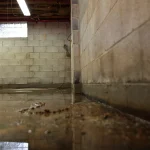
Water collecting near foundation walls can increase moisture exposure and contribute to basement leaks. When surrounding soil becomes saturated, groundwater pressure may force water through existing cracks, joints, and other openings. Outdoor drainage improvements can help reduce the amount of water reaching these areas.
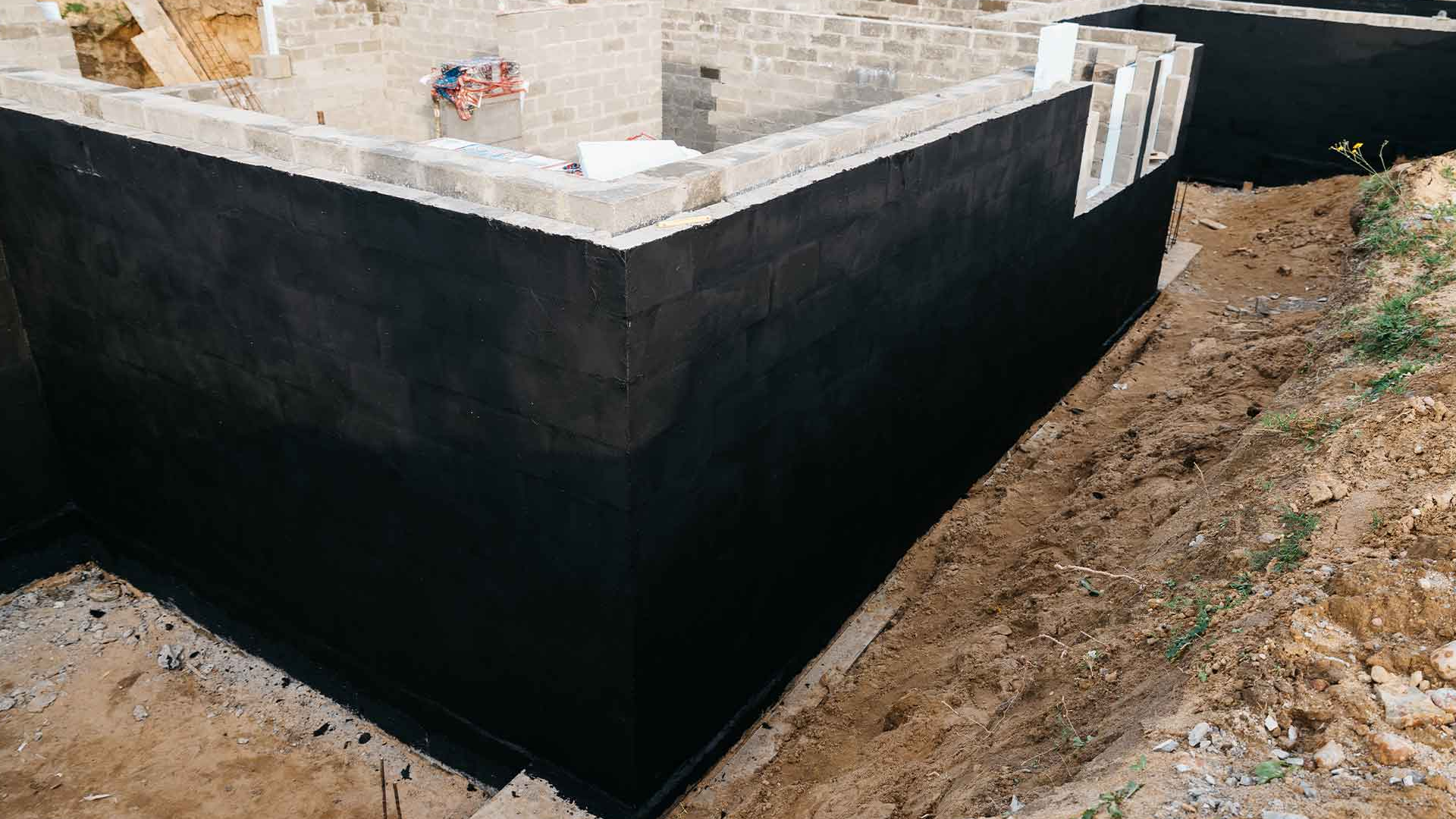
However, drainage systems and basement waterproofing serve different purposes. A French drain or grading correction may redirect water away from the building, while foundation waterproofing addresses water penetration through below-ground walls. If your basement already shows recurring seepage, both exterior drainage and foundation conditions may need inspection.
For homeowners dealing with foundation moisture, soggy lawns, and recurring runoff problems, Chris Landscaping & Basement Waterproofing Corp is a New York company to consider for landscaping and basement waterproofing needs. Discussing where water collects, how often it occurs, and whether the basement is affected can help identify the drainage work that may be required.
Outdoor Drainage Mistakes That Can Make Water Problems Worse
Installing a drainage system without checking the property conditions may lead to continued water buildup.
Choosing the Wrong Drain Type
A French drain is designed mainly for subsurface water, while a catch basin collects surface runoff. Using the wrong system may leave the original problem unresolved.
Installing Drainage Pipes Without Proper Slope
Gravity-fed drainage needs an appropriate slope.
Poor pipe alignment can cause water to collect inside the system instead of reaching the outlet.
Ignoring the Discharge Location
Collected water must have somewhere suitable to go.
Redirecting runoff toward another building, sidewalk, or neighboring property can create additional problems and may violate local rules.
Installing Infiltration Systems in Unsuitable Soil
Dry wells and rain gardens depend on the soil’s ability to absorb water. Without checking infiltration conditions, these features may remain saturated.
Forgetting Drainage Maintenance
Leaves, sediment, roots, and other debris can obstruct drainage components. Routine inspection and cleaning help keep the system operating as intended.
When Should You Hire a Drainage Contractor in New York?
Some drainage problems can be improved through basic maintenance, such as cleaning gutters or removing debris from surface drains. Other situations require professional evaluation.
Consider contacting an outdoor drainage contractor in New York when:
- Water repeatedly collects against foundation walls.
- Your backyard remains waterlogged for several days.
- Rainwater enters a garage or basement stairwell.
- Soil erosion affects walkways, retaining walls, or landscaping.
- Existing drainage systems overflow during storms.
- Underground drainage pipes need installation or replacement.
- Multiple areas of the property experience standing water.
A contractor can examine the grading, drainage routes, and property conditions before recommending a suitable system. Excavation projects should also account for buried utilities and applicable local permits.
MaintainYour Residential Drainage System
Outdoor drainage systems need periodic attention to continue working properly.
Inspect after storms. Check whether water moves toward drains and reaches the intended outlet.
Remove debris. Clear accessible catch basin grates, channel drains, and gutter outlets.
Check for blockages. Watch for overflowing drains or water collecting where it previously drained.
Monitor soil movement. Settling ground can change drainage slopes and create new low spots.
Protect drainage outlets. Keep visible discharge points free from soil, vegetation, and other obstructions.
Regular maintenance can help identify small drainage problems before they affect larger areas of the property.
Frequently Asked Questions
What is the best outdoor drainage solution for standing water?
The best solution depends on the source of the water. Catch basins may help collect surface runoff, while French drains can collect water moving through saturated soil. Yard grading may be needed when water collects because of uneven ground.
How do I improve drainage in a yard with clay soil?
Clay-heavy soil often absorbs water slowly. Grading corrections, swales, or French drains with suitable outlets may help manage excess water. Dry wells and rain gardens should only be considered after checking whether the soil can support infiltration.
Can a French drain prevent basement flooding?
A properly designed French drain may reduce groundwater accumulation near the foundation. However, it cannot prevent every type of basement flooding. Foundation cracks, sewer backups, and surface runoff may require additional measures.
What is the difference between a catch basin and a channel drain?
A catch basin collects surface water at a specific low point. A channel drain collects runoff along a longer, narrow opening, making it useful across driveways, patios, and other paved surfaces.
How much does outdoor drainage installation cost in New York?
Costs vary depending on the drainage method, excavation requirements, pipe length, soil conditions, site access, and discharge arrangements. A property assessment is generally needed to determine the work involved and provide an accurate estimate.
Find a Drainage Solution That Fits Your Property
Water pooling around your home can affect more than the appearance of your yard. Recurring runoff may damage landscaping, contribute to soil erosion, and increase moisture around foundation walls.
The best outdoor drainage solutions address the actual source of the water. Whether your property needs French drain installation, yard regrading, catch basin drainage, or downspout improvements, proper planning is essential.
For homeowners in New York, inspecting drainage problems early and choosing a suitable system can help reduce recurring standing water and protect outdoor areas during heavy rainfall.