You walk into your basement and smell it before you see it. That damp, musty odor that says something isn’t right. Maybe there’s a dark spot on the ceiling or maybe the paint is bubbling in the corner. You tell yourself it’s nothing. But water doesn’t start big. It starts small.
Here’s the truth about water damage problems. They hide behind walls, under floors, and inside foundations. By the time you notice, the damage is already done. And the repair bill is already climbing.
This guide covers nine hidden problems caused by water damage that proper waterproofing could have stopped. Because knowing what you’re up against is the first step to prevent water damage before it becomes a financial nightmare.
Why Water Damage Is More Dangerous Than You Think
Water is patient. It finds the smallest crack, the tiniest gap, and it works its way in. Once inside, it doesn’t leave quietly.
The most obvious threat is structural water damage. Water weakens wood, rusts steel, and erodes concrete. Over time, what started as a slow drip can compromise the bones of your home. Walls shift. Floors sag. Foundations crack. These aren’t cosmetic issues. They’re safety hazards.
Then there’s what you can’t see. Mold loves damp, dark spaces. Within 24 to 48 hours of water exposure, mold can start growing. Spores spread through your air, triggering allergies, asthma, and other respiratory problems. The longer water sits, the worse the health risks become.
Your property value takes a hit too. A home with related problems after water damage to house is harder to sell. Buyers worry about hidden issues. Insurance companies may charge higher premiums. Appraisers notice the signs.
The cycle is simple. Water gets in, damage starts, and repairs cost money. And ignoring it makes everything worse because common water damage problems in homes don’t fix themselves. They multiply.
Signs Your Home Needs Waterproofing Urgently
Your home gives you warnings. You just have to know what to look for.
What are the signs of water damage in a house? Here are the most common red flags:
- Damp or wet spots on walls, floors, or ceilings that don’t dry out
- A musty, earthy smell that lingers even after cleaning
- Peeling or bubbling paint on interior or exterior walls
- White powdery residue (efflorescence) on basement walls or concrete
- Visible cracks in your foundation, walls, or floor slab
- Warped or buckling floors especially in basements and ground levels
- Water stains that are yellow, brown, or copper colored
- Mold growth in corners, closets, or behind furniture
- Increased allergy symptoms when you’re at home
If you notice any of these, don’t wait. These signs your home needs waterproofing urgently mean water is already where it shouldn’t be. The longer you wait, the worse the damage gets.
A waterproofing company can assess the situation and recommend solutions before small problems become expensive disasters. A professional inspection costs far less than foundation repair.
9 Costly Water Damage Problems You Can Avoid with Proper Waterproofing
Let’s get specific. Here are nine expensive problems that happen when water isn’t kept out.
1. Foundation Cracks and Structural Shifting
Water pooling around your foundation creates hydrostatic pressure. That’s a fancy way of saying water pushes against your walls with surprising force. Over time, that pressure causes cracks, bowing, and shifting.
How to solve water damage problems like this starts with drainage. Proper grading, gutters, and downspouts move water away before it can push against your foundation. Waterproof membranes add another layer of protection.
2. Basement Flooding and Seepage
A wet basement isn’t just annoying. It’s destructive. Water seeps through cracks in walls and floors, soaking everything it touches. Cardboard boxes disintegrate. Furniture warps. Carpet becomes a breeding ground for mold.
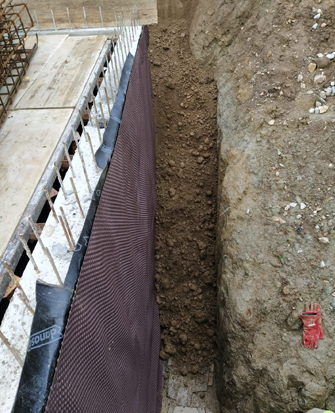
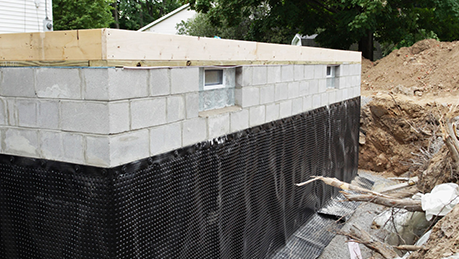
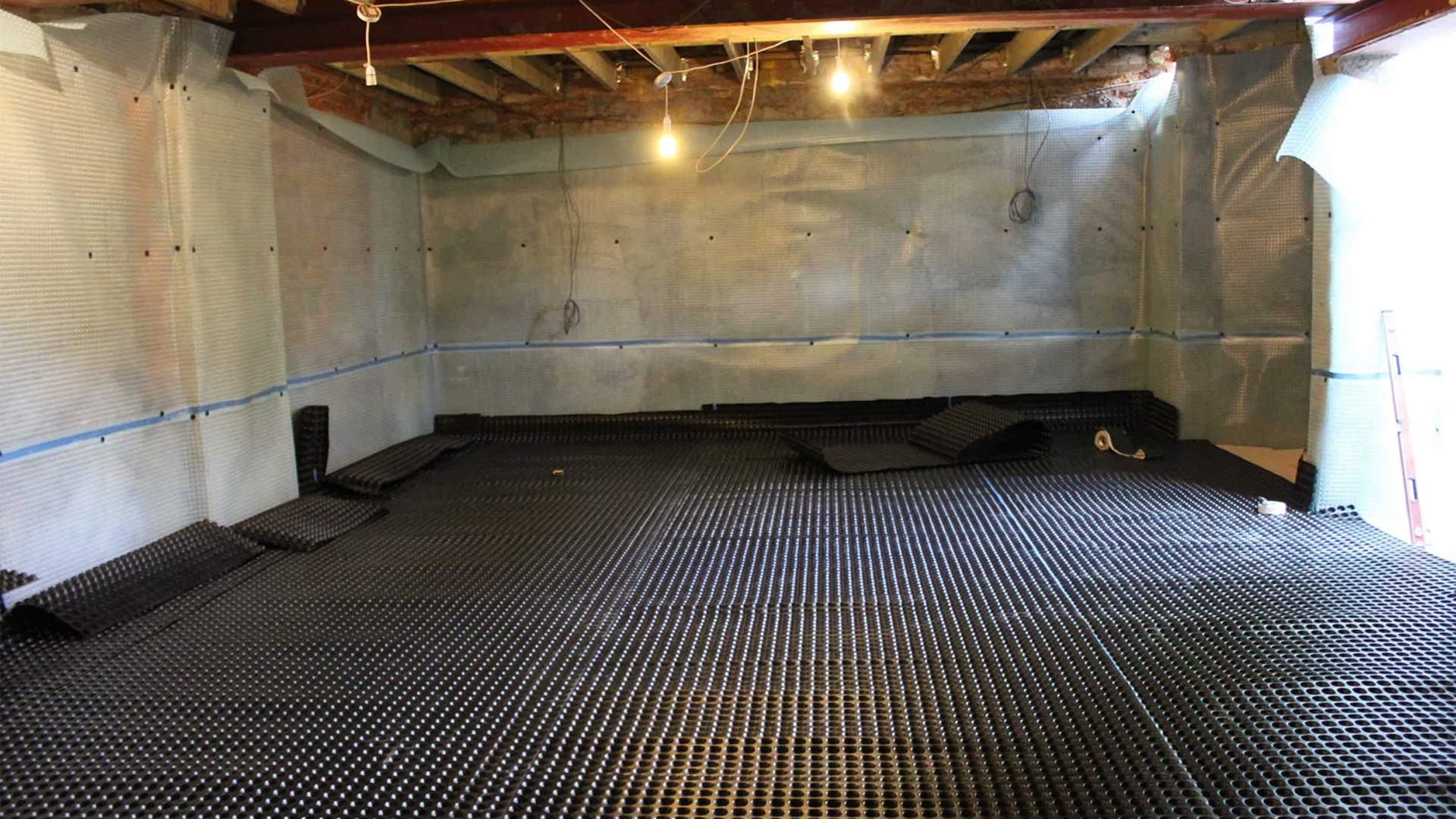
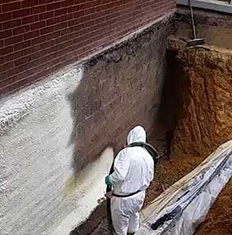
Exterior waterproofing stops water before it reaches your walls. Interior drainage systems capture water that gets through and channel it to a sump pump. Together, they keep your basement dry even during heavy rain.
3. Mold and Mildew Growth
Mold needs three things to thrive. Moisture, darkness, and organic material to eat. Your basement or crawl space provides all three. Once mold takes hold, removing it is expensive and time-consuming.
Waterproofing for homes stops mold at its source. No moisture means no mold. A dry basement stays healthy and safe.
4. Rotting Wood and Framing
Wood and water don’t mix. When moisture seeps into your home’s framing, the wood starts to decay. This isn’t surface damage, it’s structural. Floor joists weaken, wall studs lose their strength, and door frames warp so doors won’t close right.
The problem is that rot happens slowly. You might not notice until a floor feels spongy or a wall looks out of alignment. By then, the damage is significant. Replacing rotted framing means opening walls, removing damaged wood, and installing new supports. It’s invasive and expensive.
Proper waterproofing keeps moisture away from your home’s wooden bones. Dry framing stays strong.
5. Concrete Cancer (Corrosion of Steel Reinforcement)
Concrete looks solid but it’s porous. Water seeps in and reaches the steel rebar inside. The steel rusts. When steel rusts, it expands. That expansion cracks the concrete from within. Spalling, flaking, and crumbling follow.
This is called concrete cancer, and it’s a serious structural failure. Fixing it means removing damaged concrete, treating the rusted steel, and applying new material. On foundations or support beams, this gets complicated in the blink of an eye.
Professional waterproofing services stop water from reaching the steel in the first place. A dry foundation is a strong foundation.
6. Roof Membrane Failure
Flat roofs and low slope roofs rely on waterproof membranes to keep water out. Over time, sun exposure, temperature swings, and foot traffic cause these membranes to crack and blister.
When the membrane fails, water finds its way into the roof structure. Ceilings stain. Insulation gets wet and loses its R value. In severe cases, water runs down interior walls, damaging drywall and finishes below.
A failed roof membrane isn’t a patch job. It often requires full replacement. Regular inspections and timely waterproofing services extend the life of your roof membrane and save you from a much bigger expense.
7. Balcony Leaks and Structural Damage Below
Balconies look simple from above. But underneath, they’re complex systems with waterproof membranes, drainage paths, and structural connections. When that membrane fails, water doesn’t just sit on the balcony. It runs down through the structure and into the space below.
The damage shows up as stained ceilings, rotting joists, and corrosion of steel supports. Fixing a leaking balcony often means tearing out the entire surface, replacing the membrane, and repairing whatever got wet underneath. Costs can run into tens of thousands of dollars per balcony.
Home waterproofing solutions for balconies start with proper installation and regular maintenance. A small crack today becomes a major repair tomorrow.
8. Warped Floors and Damaged Interior Finishes
Water on your floor is obvious. But water underneath your floor is sneaky. Moisture wicks up through concrete slabs or travels along joists, swelling wood from below. Hardwood floors cup and buckle. Laminate bubbles at the seams. Tile grout cracks and loosens.
The damage isn’t limited to floors. Baseboards swell and separate from walls. Drywall absorbs moisture and crumbles. Paint peels. The longer water sits, the more finishes you have to replace.
What is the best for waterproofing floors depends on the situation. For basements, a vapor barrier under the slab and proper drainage around the foundation work together. For ground floors, grading and gutters keep water away before it gets underneath.
9. Increased Energy Costs
Here’s a hidden cost most people don’t think about. Wet insulation doesn’t work. When moisture gets into your walls or attic, fiberglass and cellulose lose their ability to trap air. Your HVAC system has to run longer and harder to maintain the temperature you want.
That shows up on your energy bill every single month. You’re paying extra because water is making your insulation useless.
Gutter problems and water damage often contribute here. Clogged gutters overflow, sending water down exterior walls where it soaks into insulation. Proper gutter maintenance and waterproofing work together to keep your home dry and your bills lower.
Best Waterproofing Solutions for Homes
Now that you know what can go wrong, let’s talk about how to stop it. The right solution depends on where the water is coming from and what surface you’re protecting.
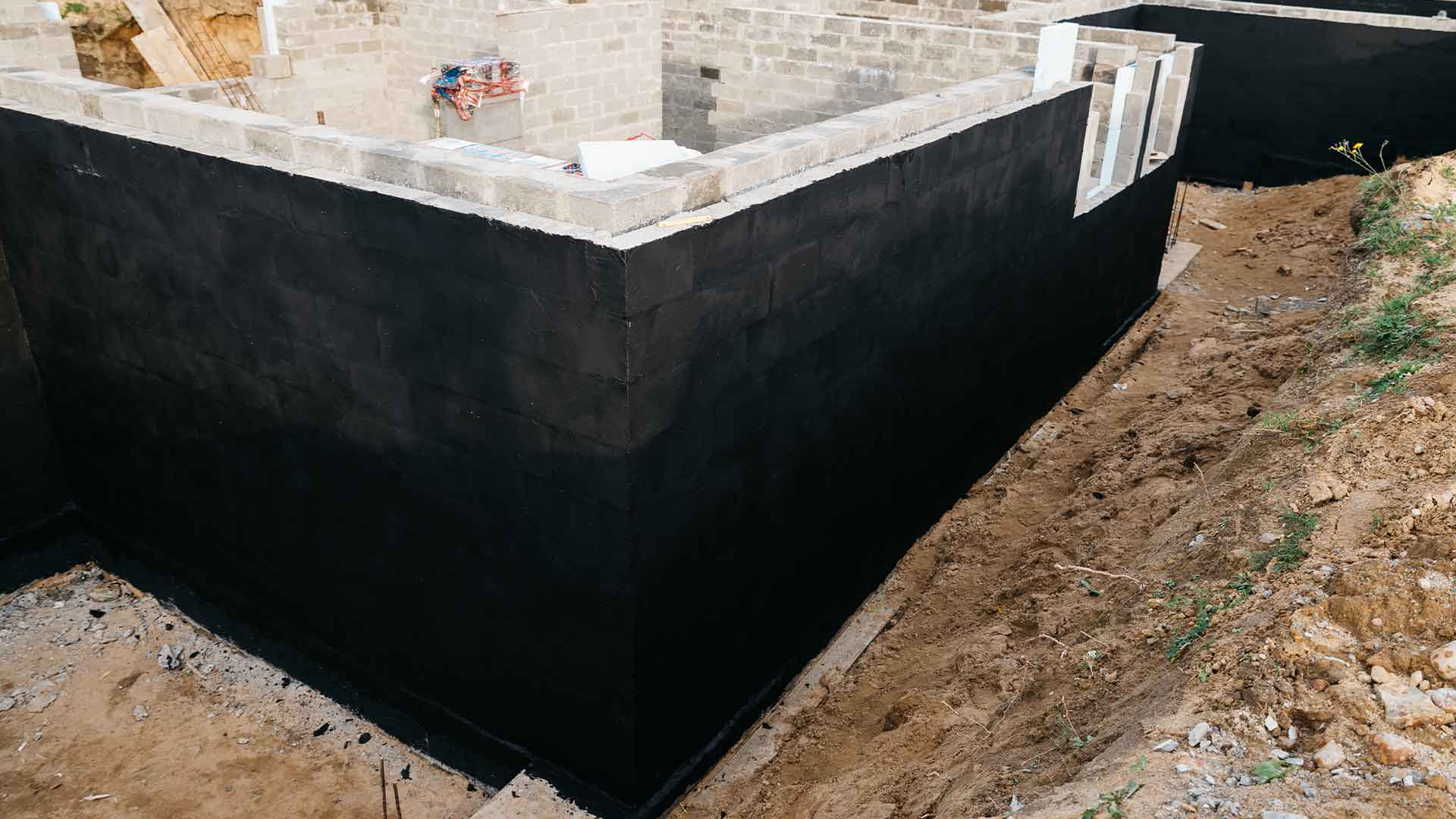
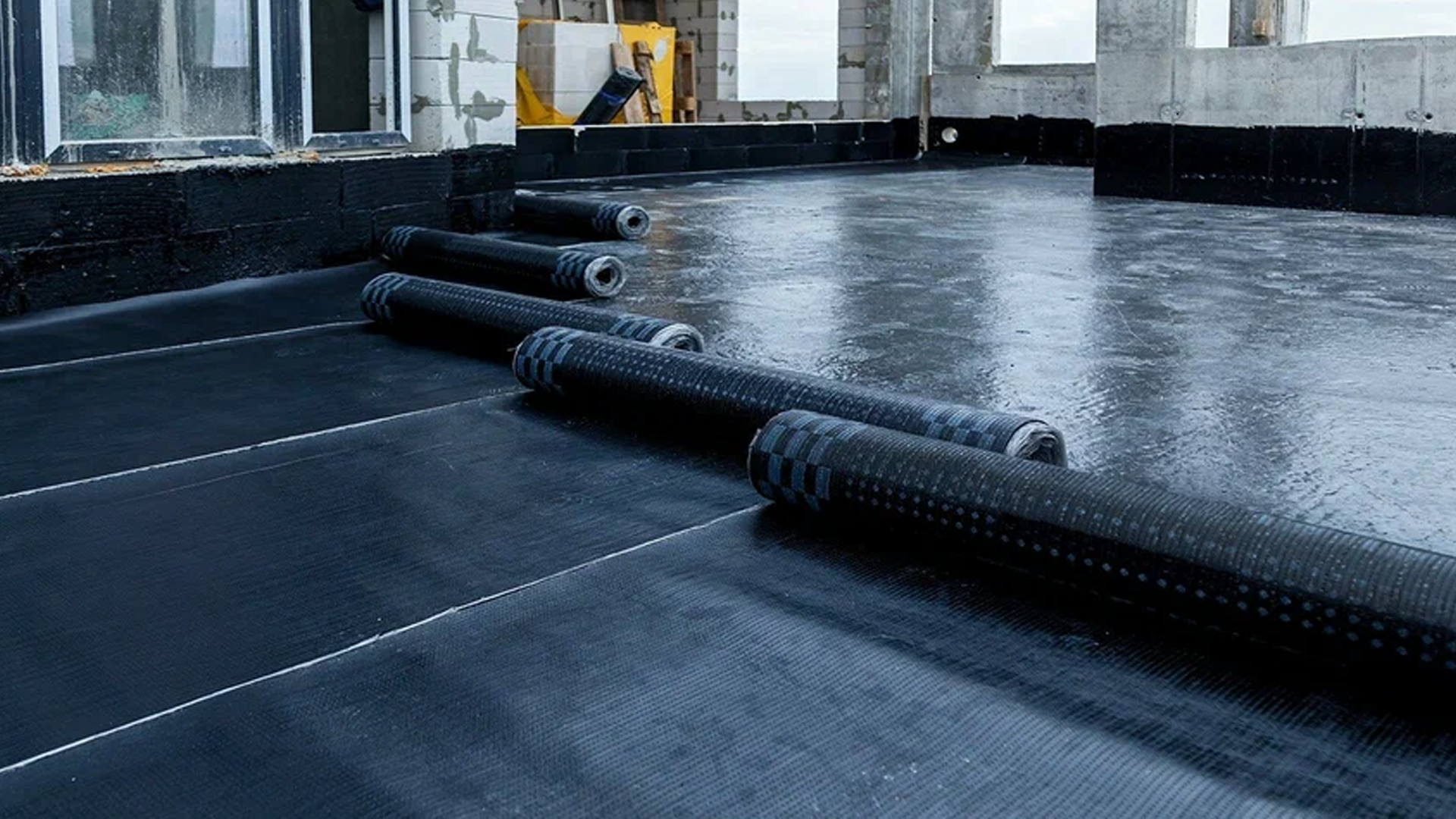
What is the best for waterproofing your home? There’s no single answer, but here are the most effective options.
| Solution | Best For | How It Works |
| Liquid applied membranes | Roofs, decks, balconies, foundations | A seamless coating that flexes with the surface, applied like paint |
| Sheet membranes | Flat roofs, below grade foundations | Pre-fabricated sheets that create a continuous waterproof barrier |
| Drainage systems | Basements, crawl spaces, foundations | French drains, sump pumps, and gutters that move water away |
| Sealants and coatings | Concrete walls, foundations, exterior surfaces | Penetrating sealers that block water from entering porous materials |
| Cementitious waterproofing | Interior basement walls, concrete tanks | A rigid coating that bonds to concrete, stopping water under pressure |
Conclusion
Nine costly problems trace back to water that wasn’t stopped early enough. Foundation cracks, basement flooding, mold growth, rotting wood, concrete cancer, roof failure, balcony leaks, warped floors, and higher energy bills. Each one starts small and grows expensive.
If you’re worried about what might be hiding behind your walls or under your floors, Chris Landscaping & Basement Waterproofing Corp can help. We provide professional Waterproofing Services with a licensed and insured team that helps you identify water damage early so you don’t have to redo your whole house again.
Frequently Asked Questions
1. What are the most common water damage problems in homes?
The most common issues include foundation cracks, basement flooding, mold growth, rotting wood, and warped floors caused by moisture intrusion.
2. What are the signs of water damage in a house?
Look for damp spots, musty odors, peeling paint, mold growth, water stains, and cracks in walls or foundations.
3. How can I prevent water damage in my home?
You can prevent water damage by installing proper waterproofing, maintaining gutters, ensuring good drainage, and sealing cracks early.
4. Is professional waterproofing worth the cost?
Yes, professional waterproofing prevents expensive structural repairs and saves money long-term by stopping damage before it starts.
5. What is the best waterproofing solution for homes?
The best solution depends on the area, but common options include membranes, sealants, and drainage systems designed to keep water away from your home.